Madrid’s Arganzuela district has banned all political symbols and non-constitutional flags at its main festival. Local associations now face sanctions for displaying banners like the rainbow flag. The move has triggered protests and accusations of censorship.
The Arganzuela district in Madrid has sparked controversy by banning political symbols and non-constitutional flags from the annual La Melonera festival. The new rule, introduced by the local council led by Lola Navarro of the Partido Popular, warns neighborhood associations that displaying anything other than Spain’s official flag at their booths could mean being barred from the festival for two years.
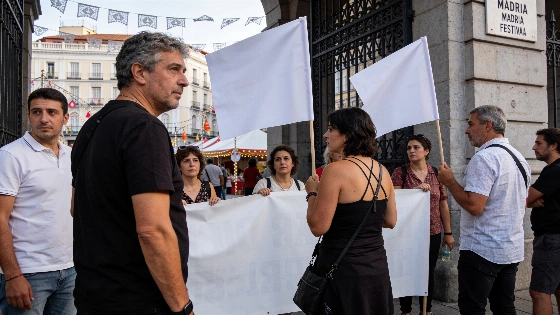
The restriction, announced just before the festival began, drew immediate criticism from local groups and opposition parties. Más Madrid, the main opposition, called the measure censorship. Neighborhood associations have organized a protest march from Glorieta de Embajadores to Casa del Reloj, set for Thursday, September 3 at 19:00, to challenge the ban. The protest specifically targets the new rule against reivindicative elements at festival booths, according to Europa Press and elDiario.es.
The official rules published in BOAM specify that only the name of the organization may be displayed on booths, while all symbols, banners, and flags other than constitutional ones are strictly prohibited.
The ban was included in the booth allocation rules, listed alongside technical requirements for electrical installations. Associations were told they could only display their organization’s name. All other banners, flags, or symbols—especially those considered political—are forbidden. The penalty for breaking the rule is exclusion from the festival for two years, as confirmed by the official guidelines and reported by Europa Press.
For many local groups, the impact is personal. Activists from Pasillo Verde Imperial and Espacio Vecinal de Arganzuela say the ban targets not just party symbols but also social causes, such as the rainbow flag or Palestinian banners, which have appeared at previous festivals. Last year, organizers were already blocked from displaying an Ecologistas en Acción banner. Now, some plan to hang posters quoting articles from the Spanish Constitution on housing and free speech as a form of protest. Local groups warn that the ban could affect a wide range of symbols, not just those of political parties, but also those representing environmental, LGBTQ+, and urban protest movements, broadening the controversy beyond partisan issues, as noted by elDiario.es.
City officials say the rule is meant to prevent conflict and keep the festival atmosphere neutral. The district’s coordinator, José Herrera de la Morena, argues that the rule is about coexistence, not censorship. Appeals from Más Madrid and Espacio Vecinal de Arganzuela have been rejected, with the council stating that festival booths are not public spaces for unrestricted expression.
Protesters point out that the ban was introduced in the section on electrical and technical conditions, presenting it as a 'technical' norm, even though it effectively restricts freedom of expression. This procedural detail has become a central point of criticism from local associations and opposition parties.
The dispute has wider implications. The Federación Regional de Asociaciones Vecinales de Madrid (FRAVM) warns that this could set a precedent for similar bans in other Madrid districts, all now under Partido Popular control. FRAVM president Jorge Nacarino calls the measure a setback for citizen participation and a threat to the city’s tradition of open, community-led festivals.
Arganzuela is not the only district facing such restrictions. In Hortaleza, councilor David Pérez has used similar tactics to sideline critical associations, including expelling Radio Enlace—a community radio station with more than thirty years of history—from both the festival and its municipal premises. These moves, justified by changes in booth allocation rules and economic penalties, have been widely criticized as attempts to silence dissenting voices under the guise of administrative order.
Madrid’s clampdown on political symbols at local festivals marks a shift in the city’s approach to public expression. While officials say they are protecting neutrality, the effect is to limit the visibility of grassroots causes and silence organizations that have long been part of the city’s social life. The spread of these measures to other districts and the threat of penalties suggest a deliberate effort to reshape civic participation at Madrid’s public events.