Madrid’s Fiestas de la Virgen de la Paloma, the last major verbena of the summer, run from Thursday through Sunday in La Latina. Las Vistillas and Plaza de la Paja, along with nearby streets, will host concerts and castizo celebrations, including traditional competitions. Headline performers include Celtas Cortos and DePol. Miss Caffeina is also on the bill. Saturday is the peak of the festivities, with the Assumption and the floral offering. Madrid’s firefighters will lower the Virgin’s painting, followed by the neighborhood procession.
Events begin Thursday morning with a traditional chocolate breakfast on Calle de Calatrava, followed by a sack race and an organillo performance that will be repeated daily. Throughout the festival, Cava Baja will host board game tournaments, while Plaza de la Paja offers children’s workshops. An afternoon chotis dance contest is also on the program. Fans of zarzuela can attend La verbena de la Paloma at Teatro La Latina until August 16. The classic one-act sainete, with music by Tomás Bretón, was first staged in 1894 and remains a pillar of Madrid’s musical heritage. Bretón (1850-1923) is remembered for zarzuelas including this work, although his compositions also ranged into symphonic and religious music, information from RTVE.
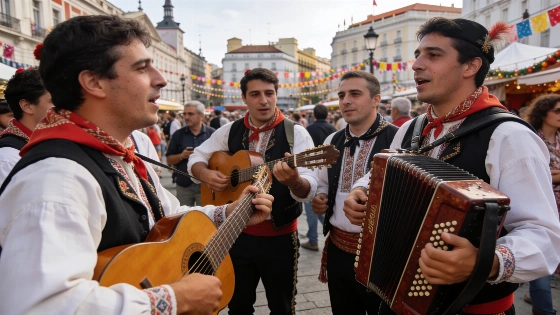
Evenings bring live music to the basic stages. On Thursday, Mari Pepa de Chamberí and El Orgullo de Madrid open with castizo songs, followed by Celtas Cortos at Las Vistillas and Orquesta Tucán at Plaza de la Paja. DJs will keep the party going into the night. The traditional Salve to the Virgin will be performed at midnight, and mariachi musicians will pay tribute to the Virgin on Calle del Humilladero each day.
Friday’s program includes a nostalgic “Regreso a los 80” concert at Las Vistillas with Los Refrescos and Modestia Aparte. Fernandisco is also on the bill. Plaza de la Paja hosts “Regreso a los 90” with Eva Martí. Children can take part in a chulapo costume contest and a pasodoble dance competition, while families can join Kpopstar activities. The International Castizo Mus Championship is also scheduled. Calle de Calatrava adds a waiter race and a high-heel race. The night ends with DJ sets until 2 a.m.
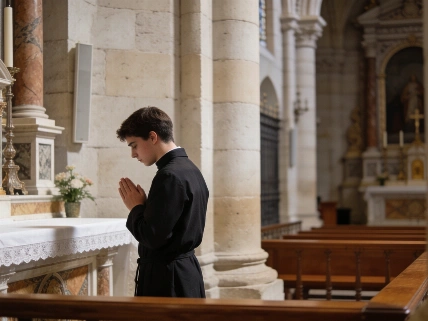
Saturday centers on religious and community traditions. The day starts with a floral offering at Colegio La Salle-La Paloma, followed by Mass. Madrid’s firefighters then lower the Virgin’s painting, an event that draws large crowds each year. The evening procession winds through the neighborhood, while Plaza de la Paja hosts fan and mantón contests. Las Vistillas features concerts by Olga María Ramos and DePol, followed by DJ performances. Another Salve to the Virgin takes place at midnight.
Sunday brings the festival to a close with a castizo vermouth at Plaza de la Paja. Children can enter a botijo drinking contest, while adults compete with porrón. Calle de Calatrava offers poetry readings and the first Castizo Water Festival. A lemonade distribution follows. The final concerts feature Elena Rodríguez at Las Vistillas and a joint performance by El Orgullo de Madrid and Los Castizos at Plaza de la Paja. Miss Caffeina and Karavana, the last major musical acts, take the stage at 21:30, with DJs closing out the night.
La Paloma’s festivities are a highlight of Madrid’s summer, drawing residents and visitors with music and local customs, along with food. Chotis contests and the zarzuela tradition reflect the event’s focus on castizo identity and the city’s cultural heritage. That tradition also appears in Madrid’s year-round cultural programming: the city’s agenda listed a free performance of La verbena de la Paloma by Grupo Lírico Taller de Zarzuela de Madrid at Auditorio Paco de Lucía on October 23, 2026, as part of the 14th Latina District Zarzuela Cycle and the 32nd Cultural Week of the Centro Cultural Castellano-Manchego. For another perspective on Madrid’s vibrant cultural scene, see the recent success of Madrid’s musical productions on Gran Vía.
The festival’s shared rituals and street celebrations bring the community together. Many activities are family-friendly and designed for all ages, with daytime and nighttime programming across several iconic locations in the capital.