A Madrid man lands on the shortlist for jury duty in the high-profile trial of Begoña Gómez, wife of the Prime Minister. His open doubts show the strain and uncertainty facing Spain’s jury system as the case moves ahead.
When news broke that Begoña Gómez would face a popular jury, one Madrid man felt a chill. “With my luck, I’m sure they’ll call me for the Begoña Gómez case,” he said. He was not alone. Thousands across Madrid felt the same worry as Spain began its biggest jury selection in years.
Antonio is not his real name. He’s in his fifties and works as an IT consultant. He is one of 2,846 Madrid residents whose names were drawn from the electoral roll for possible jury service in 2025–26. The letter from the Provincial Court’s Jury Office landed in his mailbox in September 2024. It brought a wave of dread. “The first thing I thought was, what bad luck to be picked out of all Madrid’s census,” he remembers.
The selection process for this trial is governed by Spain’s Organic Law 5/1995, which sets out the rules for jury composition and selection.
He combed through the official pamphlet, looking for any way out. Over 65? Not yet. Disability? No. Served on a jury in the last four years? Never. Family obligations or a public job that can’t be left? Neither. Living abroad? Not even close. The list of possible exemptions ran out fast. He had no excuse that would work.
For two years, Antonio has lived with the chance of being called for any serious case—murder, failure to help, bribery. As his two-year window was about to close, the Gómez trial put him back in the spotlight. Judge Peinado’s decision to send Begoña Gómez, the Prime Minister’s wife, to trial for alleged influence peddling and embezzlement means Antonio could help decide her fate. Spanish media say the investigation lasted almost two and a half years and started after a complaint from Manos Limpias.
He doesn’t hide his doubts. “I don’t think it’s right that people without legal or police knowledge should decide if someone is innocent or guilty. That’s what experts are for,” he says. The idea of serving on this jury is even worse for him: “I wouldn’t like it. It’s a very high-profile case with a lot of pressure.”
Antonio also questions the government’s talk about impartiality. When asked if jurors might be swayed by two years of media coverage, he points out, “The government has also spent time talking about the case and trying to influence both judges and public opinion.” As El País and other outlets have reported, the political heat around the case has raised real worries about bias. In the end, it will be regular people, not career judges, who decide.
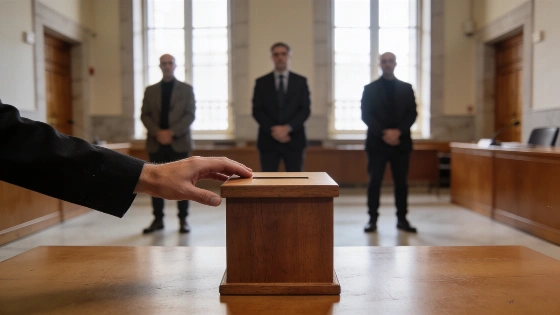
The pool of 2,846 Madrid residents was preselected from the electoral rolls for 2025–2026, and from this group, 36 candidates will be initially chosen for the Gómez trial. After further screening, at least 20 will be admitted, and the final jury will consist of 9 jurors and 2 alternates.
He admits he only knows what he’s seen on TV about the charges against Gómez. He doesn’t know the full story. Still, he hopes he won’t be among the 36 called for pre-trial selection. Only 20 valid jurors are needed to move forward. In the end, nine jurors and two alternates will be picked. Both sides can veto four people each.
This jury selection has already drawn national attention, as reported earlier. For Antonio and others, it’s not about civic pride. It’s about being thrown into a system that puts ordinary people in the middle of extraordinary events.
Spain’s use of lay juries for tough, high-profile cases keeps sparking debate. People like Antonio show the clash between letting citizens decide and the need for expert judgment in court. As the Gómez trial nears, the outcome will shape more than just the verdict. It will test how much trust the public has in Spain’s way of judging its most sensitive cases.