Hundreds pitched tents in Madrid’s Puerta del Sol after Maricarmen’s eviction. The protest revived memories of 15M and sharpened demands for action against evictions and housing speculation.
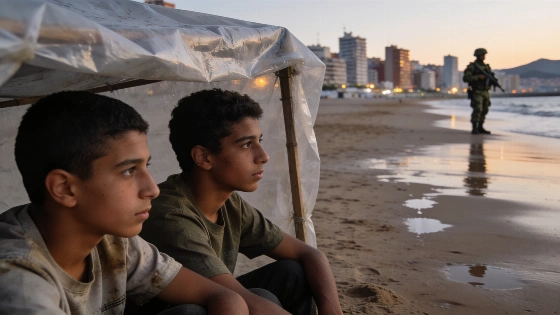
Madrid’s Puerta del Sol changed fast. By night, tents lined the square. Protesters answered a call to occupy the plaza after Maricarmen’s eviction. Sleeping bags hit the ground. Banners went up. The crowd settled in, determined to stay. This was the same square that once powered the 15M movement.
Official estimates put the number of protesters at around 25,000, while organizers claimed tens of thousands took part in the march from Puerta del Sol to the Congress.
“We want to stay in Sol, so we’re going to spread out across the plaza so they can’t remove us,” an organizer shouted through a megaphone. People fanned out. Irene, 28, and Pablo, 37, got ready for a long night. Pablo called Madrid’s housing market “unsustainable.” He said he had to leave the city center, move far out, and still share a flat. His commute is long.
The camp is still small. Organizers asked for more tents to help people last the night. No one knows when it will end. Protesters want to hold out at least until Tuesday. That’s when the Council of Ministers is set to discuss the Decreto Maricarmen. The demands are clear: stop evictions, crack down on real estate speculation, and make all rental contracts indefinite. France24 reported that protesters want protection against evictions without alternative housing, limits on seasonal and room rentals, a freeze on current rents, longer contracts, and automatic lease renewals.
The eviction of Maricarmen became a rallying point for a new wave of protests, with spontaneous encampments forming in central Madrid and demonstrators spending the night in Puerta del Sol. The Tenants' Union called the protest under the slogan 'Ni una Maricarmen más,' demanding urgent housing measures and a halt to evictions.
Earlier, a huge march swept through Madrid. Organizers said 300,000 joined. Official figures were lower, at 25,000. The goal was to pressure politicians as housing reforms are debated. Protesters want the Decreto Maricarmen to bring real change: strong eviction protections, new rules for seasonal and room rentals, a rent freeze, longer leases, and automatic contract renewals.
Madrid’s housing protests have a long, rough history. Puerta del Sol is often the stage. This standoff feels different. The focus is on urgent, concrete policy—not just slogans. Many say they will stay as long as it takes. AFP reported that Spain’s Prime Minister has already weighed in, calling the housing crisis a “tragedy.” The issue is now national.
The campers in Sol are not backing down. The debate has moved from talk to action. The government faces real pressure to deliver. The next few days will show if these tents spark real change or just add another chapter to Madrid’s long fight for housing rights.