A residents’ association is taking Madrid’s city council to court for allowing noise above legal limits during the NFL game at the Bernabéu. The dispute highlights growing tension over major events and their impact on local life.
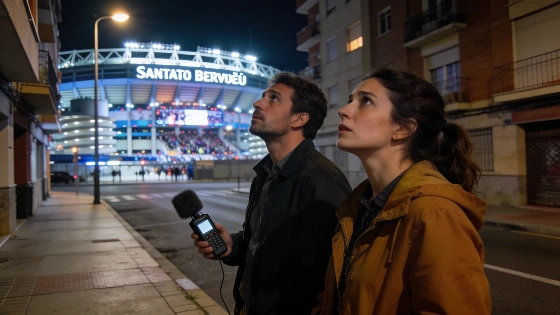
Madrid’s city government is facing a lawsuit from residents near the Santiago Bernabéu, who say officials knowingly allowed noise far above legal limits during the NFL game between the Commanders and the Dolphins in November 2025. The Association of Residents Affected by the Bernabéu argues that the city’s special permit for amplified sound broke both municipal and European noise rules.
The case centers on a permit from the Directorate General for Sustainability and Environmental Control, which let the event exceed standard noise limits for one night. City officials said hosting the NFL was a chance to raise Madrid’s international profile and attract American visitors, calling the event a "special civic" occasion that justified suspending normal restrictions.
According to Spain’s Ministry for the Ecological Transition, Madrid has previously faced EU scrutiny for failing to adequately enforce noise pollution standards in urban areas.
Technical reports commissioned by the residents tell a different story. Acoustic measurements during the game showed noise levels not only passed the 75-decibel cap set by the city, but in some cases went over by as much as 28 decibels. IAG Ingeniería Acústica, the firm hired by the association, said this spike was like multiplying the number of permitted noise sources by more than 600. Their analysis points to clear evidence that this level of exposure can harm the health of people living nearby.
The city’s own documents admitted in advance that the event would break residential noise limits. Still, the administration went ahead, putting the NFL’s marketing value ahead of local residents’ well-being. The association’s legal filing, submitted on July 17, asks the court to cancel the permit and make the city pay all court costs. The case is now waiting for Madrid’s administrative court to accept it.
This is not the first time the Association of Residents Affected by the Bernabéu has challenged city hall. In the past, they blocked the construction of two underground car parks near the stadium, showing their willingness to fight decisions they see as harmful to the neighborhood. The current lawsuit raises the stakes, with residents accusing the city of putting commercial interests before community health.
A 2023 report by the European Environment Agency found that over 20% of Madrid’s population is regularly exposed to noise levels above recommended limits, with traffic and major events cited as primary contributors. The World Health Organization has repeatedly warned that chronic exposure to high noise levels can increase risks of cardiovascular disease and sleep disorders.
Madrid’s city council, led by José Luis Martínez-Almeida, has defended its approach to major events, saying exceptions are justified when the city gains international exposure or economic benefit. But the willingness to set aside environmental protections for branding has become a flashpoint. As seen in other recent disputes, such as those described in this earlier report, the city’s balancing act between development and residents’ rights is under growing scrutiny.
Spain’s cities have long struggled with the impact of large-scale events, especially as global sports and entertainment brands seek bigger audiences. The Bernabéu case shows the limits of local patience for disruption, even when city leaders promise economic or reputational gains. The facts are clear: Madrid’s administration knowingly allowed a breach of its own noise laws, betting that the NFL’s prestige would outweigh the backlash. This lawsuit signals that residents are no longer willing to be sidelined for the sake of spectacle. The outcome will set a precedent for how far city officials can stretch environmental rules in pursuit of global attention, and whether Madrid’s neighborhoods have any real say in the process.