Maricarmen Abascal’s death after eviction has set off a bitter clash in Madrid. The city’s refusal to mark her passing with a minute of silence has turned her story into a rallying cry for those demanding answers on housing and political accountability.
Word of Maricarmen Abascal’s death hit Puerta del Sol with a jolt. She spent her last years fighting to keep her home, locked in a standoff with a property company that pressed for eviction even as her health collapsed. At 87, she had kept up every payment, but the system outlasted her. Seven years of legal and bureaucratic pressure ended with her forced removal and a hospital bed.
El País and other major Spanish outlets traced her tenancy back to 1956, when her father first signed for the apartment on Alcalde Sainz de Baranda. The lease passed to her mother, then to Maricarmen in 2005. She paid rent and utilities—about 500 euros a month from a 1,400 euro pension. The legal fight dragged on until the Supreme Court ruled against her in 2023, clearing the way for eviction.
On September 23, 2026, Maricarmen was forcibly removed from the apartment where she had lived for nearly seventy years; she died two weeks later in Gregorio Marañón hospital.
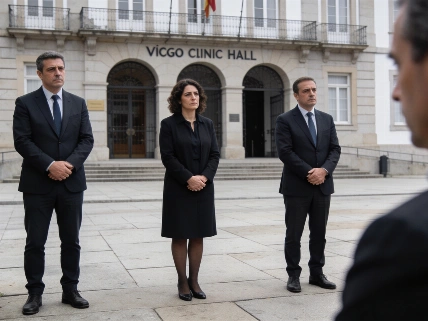
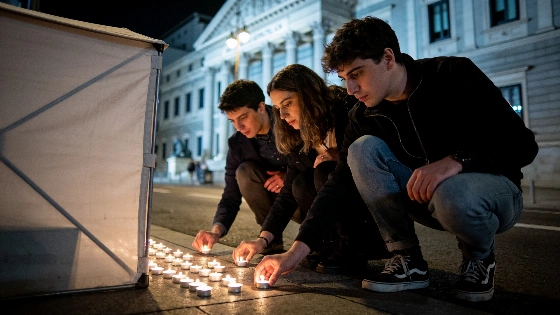
Madrid’s political response split instantly. The Partido Popular blocked calls for a minute of silence in both the Senate and the Madrid Assembly. No gesture, not even a symbolic one, would be allowed. The move drew a line: some stories get public recognition, others are dismissed as emotional ploys.
Alberto Núñez Feijóo, Partido Popular leader, doubled down. “No vamos a permitir el intento de manipulación emocional a los ciudadanos.” He cast public grief as suspect, hinting that outrage over Maricarmen’s fate was manufactured. The stance has left critics fuming and even unsettled some within his own party, who see the emotional fallout as real, regardless of politics.
Election season has only raised the stakes. The campaign picked up speed after Maricarmen’s death, with bitterness rising on all sides. Critics now use the refusal to honor her as proof of official indifference to housing insecurity. Graffiti and banners across the city hammer the point, reminding politicians of broken promises and unfinished reforms.
The legal dispute centered not on unpaid rent, but on whether a second succession (subrogation) of the original Franco-era lease was permissible under Spanish law. This technicality set Maricarmen’s case apart from typical eviction scenarios and drew attention from housing rights advocates and legal experts alike.
Elsewhere, party lines are fraying. ERC faces internal strain as it weighs a future without Rufián Superstar. Oriol Junqueras sticks to old-school tactics, while Rufián tries to chart his own course. In Barcelona, his support is slipping. The left splinters further with the rise of Frente Amplio, as Pedro Sánchez works to keep allies close and brings Carles Puigdemont back into play as a sentimental figurehead.
Puigdemont’s return feels more like a rerun than a fresh start. He stirs up memories of past showdowns but brings little new to the table. His presence is expected to help close lingering deals before he fades again, a reminder that Spanish politics often recycles its main players without real change.
The refusal to grant Maricarmen a minute of silence stands as a calculated move. It signals where empathy ends in public life and how far leaders will go to avoid facing the fallout of their own policies.