María Jesús Montero takes charge of the PSOE in Andalusia after historic losses. The new coalition between PP and Vox changes the balance of power. Left-wing parties now dominate the opposition benches.
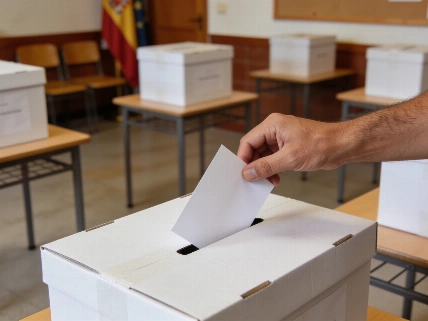
The start of the XIII Andalusian legislature has brought a significant shift in the region's political landscape. For the first time, María Jesús Montero, after 24 years in various government roles including Minister of Finance and First Deputy Prime Minister, steps into the role of opposition leader for the PSOE in Andalusia. This change comes as the PP, led by Juan Manuel Moreno, secures a third term as president, now in coalition with Vox. The agreement places Manuel Gavira of Vox as second vice president, marking a clear departure from the PP's previous centrist approach.
With the opposition benches now occupied exclusively by left-wing parties—PSOE, Adelante Andalucía, and Por Andalucía—the PSOE leadership sees an opportunity to present a more distinct alternative to voters. However, the timing of the next general elections remains uncertain, adding to the unpredictability of the political environment. The PP-Vox coalition is expected to maintain a united front, at least until the national elections, but internal tensions are anticipated to surface afterward, especially as the coalition positions itself against the central government led by Pedro Sánchez.
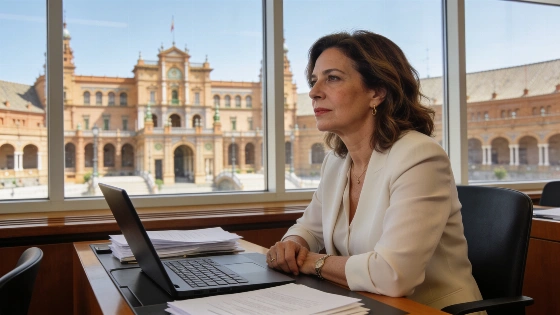
Montero's leadership style is already noticeable in the Andalusian Parliament. She has set up her office within the parliamentary building rather than the PSOE's regional headquarters, holding weekly press conferences focused on national issues and responding to corruption allegations affecting the party. Her approach includes close consultation with individual party leaders and maintaining regular contact with Pedro Sánchez, which has led to speculation—both from the PP and within her own party—about how long she will remain in Andalusia. The recent appointment of Montero as deputy spokesperson in the Senate has only fueled these doubts, though she insists on her long-term commitment to rebuilding the PSOE in the region.
Despite the PSOE's historic low of 28 seats in the last regional elections, there is a consensus within the party to avoid internal conflict until after the general elections. Montero has met with all eight provincial executives to prepare for the 2027 municipal elections, focusing on candidate selection in key cities where the PSOE is currently in opposition. She has emphasized the need to minimize internal primaries to avoid further divisions and has warned party members to remain vigilant against corruption, drawing a clear line between different types of cases affecting the party at the national level.
The current configuration of the Andalusian Parliament, with no right-wing parties in opposition, raises questions about the potential for a unified left-wing bloc. While the PSOE aims to maintain cooperative relations with Adelante Andalucía and Por Andalucía, differences in strategy and positioning remain. Por Andalucía appears disoriented after recent results, while Adelante Andalucía is seen as assertive and critical, particularly on issues such as housing, corruption, and regional financing. Both parties have indicated that while coordination is possible on certain issues, a stable opposition bloc is unlikely.
Andalusia's political dynamics are now defined by the PP-Vox coalition in government and a fragmented left in opposition. The outcome of the next general elections will be crucial in determining the future direction of both the PSOE and the broader political landscape in the region. According to public opinion research, the current alignment may limit Vox's ability to challenge the PP, potentially making it harder for the right to secure an absolute majority in the future. For the PSOE, the immediate challenge is to restore its status as the leading political force in Andalusia, rebuild morale, and prepare for upcoming electoral contests.
Andalusia has long been a key region in Spanish politics, historically dominated by the PSOE until recent years. The rise of new political forces and shifting alliances reflect broader trends across Spain, where coalition governments and fragmented parliaments have become more common. The performance of the PSOE in Andalusia is often seen as a bellwether for national politics, making Montero's leadership and the party's recovery efforts particularly significant as the country approaches another electoral cycle.