Mercadona's grip on Spain's supermarket sector is slipping as inflation and fuel prices climb. With government relief measures ending, more shoppers are turning to Dia and Lidl for lower prices.
Mercadona, long the dominant force among Spanish supermarkets, is now under pressure as inflation remains high. According to the Instituto Nacional de Estadística (INE), consumer prices in August rose 4.3% from a year earlier—the biggest jump since February 2023. Fuel costs are the main culprit: diesel is up more than 30%, gasoline about 17%, making energy the key driver behind the latest surge.
Oil prices have topped $100 a barrel again, pushing up transport and logistics costs for retailers and shoppers alike. The ongoing conflict in Iran continues to disrupt global supply chains, especially through the Strait of Hormuz, and the Spanish Ministry of Economy points to these disruptions as a major factor in rising prices.
"Spain's harmonised EU inflation index reached 4.6% in August, providing a clear international benchmark for the country's price pressures."
— INE
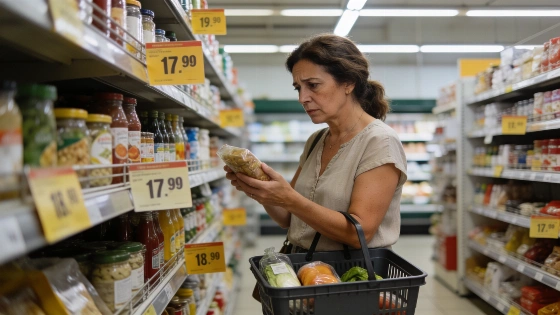
Core inflation, which excludes energy and fresh food, is still high at 2.9%. Food and non-alcoholic drink prices are up 2.3%. The result: Spanish households are changing how they shop. More families are looking for cheaper options, and discount supermarkets are gaining ground. Industry reports confirm a clear "trade down" trend as shoppers seek lower prices.
Mercadona's market share has stopped growing. As prices rise, more shoppers are switching to Dia and Lidl, drawn by discounts and a reputation for value. Mercadona still leads with a 27.4% share, but its growth has slowed. Lidl now holds 7.5% and Dia 4.1%, both increasing at Mercadona's expense.
The government’s fuel discounts—20 cents per litre for diesel and 5 cents for gasoline—have helped, but these are set to end in September. The Ministry of Economy says it will keep supporting families, but has not given details, and time is running out.
"Official statistics indicate that the recent spike in inflation is not broad-based but concentrated in energy and fuel, while core inflation has actually eased. This distinction is crucial for understanding why retail and logistics sectors are particularly affected, as rising fuel costs directly impact both consumer prices and supermarket margins."
— Instituto Nacional de Estadística
The inflation spike began after US and Israeli strikes on Iran in late March, which disrupted key trade routes for oil and fertilizers. A brief truce in June did little to fix the supply problems. As a result, Spanish retailers still face high costs and ongoing supply issues.
Earlier this year, inflation was just above the European Central Bank’s 2% target, but that stability quickly faded. With the August jump confirmed by INE, relief seems unlikely. The government’s message that this is only a temporary problem is wearing thin as families deal with higher bills and less spending power.
This pattern isn’t limited to groceries. As shown in a recent investigation into housing costs, when basic expenses rise, consumers adapt fast—often at the expense of established leaders.
Mercadona now faces a clear challenge: find new ways to offer value or risk losing more ground to faster-moving rivals. With government support ending and energy costs still high, the next few months will test both Spanish retailers and the families who rely on them.