Ceuta’s largest protest in years left beaches unusually quiet. Migrants stayed hidden, fearing violence. Local leaders accuse officials of fueling division. The city’s fragile balance is under strain as thousands remain in limbo.
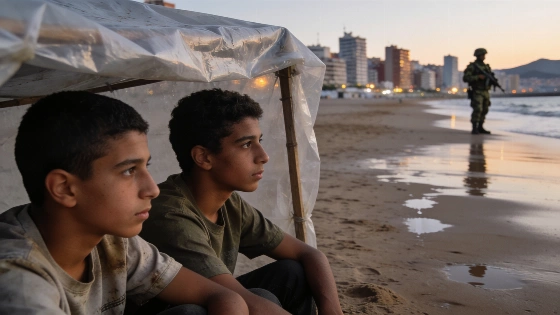
As crowds filled Ceuta’s streets for one of the city’s largest protests in years, the beaches emptied out. Migrants who had been sleeping rough for weeks disappeared from view, choosing to stay out of sight. The usual noise at El Trampolín beach faded, replaced by quiet conversations among those who remained.
For many, staying hidden was about safety, not politics. Zacarías Moujahid, 17, from Fez, said he no longer feels safe moving around the city. "We don’t leave the beach because the police are nearby," he said, voicing the anxiety now common among the thousands living in makeshift camps. His friend Ahmed Cherogui, also 17 and from Fez, said the anger among locals is impossible to ignore, even as he insists he wants to help the city, not harm it.
In late July 2026, approximately 70,000 to 72,000 migrants entered Ceuta from Morocco over just a few days, with at least 80 to 100 deaths reported during the crossing.
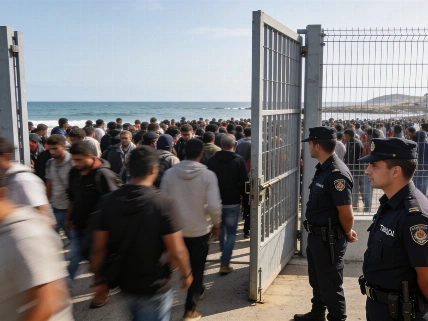
Ceuta is one of the most densely populated places in Spain, with 84,000 residents in just 20 square kilometers. The arrival of nearly 8,000 new migrants has pushed the city’s limits. In neighborhoods like Los Rosales, La Pantera, El Príncipe, Loma Colmenar, Hadú, and Juan Carlos I, the influx has made daily life more difficult. Some areas now look like refugee camps, while others are kept off-limits by military patrols that block migrants from entering the city center.
Not everyone joined the protest. Abdellah Mustafa, who leads a neighborhood association near the Sidi Embarek mosque, said he refused to take part after seeing the demonstrations turn against local Muslims. He organizes daily meals for thousands of migrants and accused Ceuta’s president, Juan Jesús Vivas, of fueling division instead of bringing people together. Mustafa’s frustration is shared by many who feel caught between competing identities and loyalties.
According to recent reports cited by BBC and DW, between 5,000 and 10,000 migrants remain in Ceuta, many living in improvised camps, on beaches, and in the streets. Local aid networks continue to distribute food to thousands, but humanitarian groups warn of a lack of coordination and protection for those still stranded in the city.
For women like Kaja Marimilda, 35, from Casablanca, the past month has been a test of endurance. Living among thousands of men under plastic sheets, she described the exhaustion and the steady rise in hostility. Still, she said she does not fear radicalization, and that women are respected in the camps.
Taxi drivers like Yusuf, who skipped the protest to work, are frustrated by the way outsiders talk about the crisis. "I’m Spanish and I’m from Ceuta," he said, rejecting the idea that religion should decide where his loyalty lies. Others share his resentment at being forced to pick sides in a crisis that has changed daily life for everyone.
Violent incidents have been rare, but tension is obvious. Some residents believe that if aid groups stop feeding migrants, they will leave sooner. But as one local pointed out, without this support, Ceuta could see thousands wandering the streets in search of food.
Recent events echo earlier warnings about the city’s social strain, as seen in previous coverage of Ceuta’s ongoing crisis. The city’s experience shows the limits of local infrastructure and the consequences of political decisions that focus on short-term pressure instead of long-term solutions.
Ceuta’s situation is what happens when migration, politics, and fear collide in a small space. City leaders have not offered a way forward, leaving both residents and migrants stuck in a cycle of suspicion and fatigue. Until authorities address the real causes, Ceuta will remain divided: quiet beaches, restless streets, and an uncertain future.