Ceuta’s leader says the city has lost its way of life after a surge of migrants. He criticizes the government’s response and calls for urgent action. Security and daily life remain disrupted.
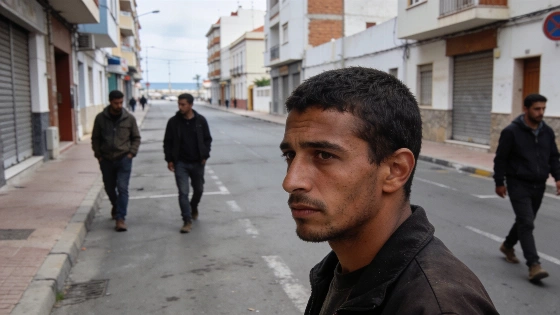
Ceuta is facing a period of deep uncertainty and unrest following the arrival of more than 72,000 migrants in a city of just 84,000 residents. Juan Jesús Vivas, president of the autonomous city, has described the atmosphere as tense and the population as unsettled, emphasizing that the city’s traditional way of life has been upended since the events of late July. According to Vivas, the mood on the streets is marked by sadness and indignation, with many residents expressing frustration over the national government’s handling of the situation before, during, and after the mass entry.
In a recent interview on Telediario 2, Vivas highlighted the scale of the crisis, calling it the most serious national security issue Spain has faced in half a century. He argued that the government’s response has not matched the gravity of the situation, insisting that a decisive measure—specifically, the return of all those who entered illegally to Morocco—is necessary for Ceuta to regain stability. The president warned that the city remains on edge, with widespread concern that such a scenario could repeat itself if stronger safeguards are not put in place.
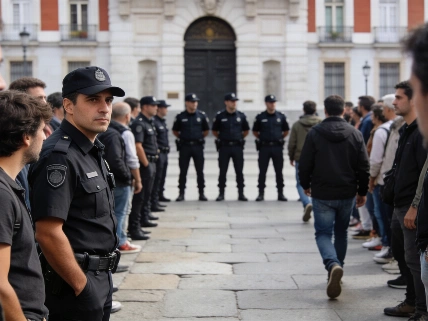
Vivas described Ceuta as a “pressure cooker,” with social risk and tension at unprecedented levels. For over a month, daily routines have been disrupted, and residents have struggled to maintain normalcy. He called for comprehensive security measures at the border and within the city, stressing that only a categorical guarantee of safety can restore confidence among locals. Looking ahead, Vivas believes that economic and social recovery will require targeted support and a renewed commitment to the city’s integration with both Spain and Europe—an agenda he says has stalled since the crisis began.
Addressing recent disturbances, Vivas firmly rejected any form of violence, stating that such incidents are isolated and do not reflect the broader character of Ceuta’s society. He emphasized the city’s longstanding tradition of peaceful coexistence among diverse communities and its strong ties to Spain. The president also noted that the current situation in Ceuta has implications for the entire country, as it touches on the integrity of Spain’s national territory.
Recent analysis from russpain.com points to ongoing protests and calls for government accountability, underscoring the persistent tension in the city. Ceuta’s experience highlights the challenges faced by Spanish border regions in managing migration flows and maintaining social cohesion. The city’s unique position—geographically close to Morocco and administratively part of Spain—makes it a focal point for migration policy and national security debates. As the situation evolves, the response from Madrid will likely shape not only Ceuta’s future but also broader discussions on border management and integration across Spain.