A new Netflix documentary revisits the 1997 kidnapping and murder of Miguel Ángel Blanco. The film features King Felipe VI and highlights a striking generational gap: most young Spaniards do not know who Blanco was.
The release of Netflix's "Miguel Ángel Blanco, las 48 horas que lo cambiaron todo" has reignited debate over how Spain remembers the violence of ETA. The documentary, directed by Jon Sistiaga and Juanjo López, examines the 1997 kidnapping and murder of the Ermua town councillor—a crime that shocked the nation and triggered an unprecedented civic response. Yet, nearly three decades later, a striking statistic stands out: six out of ten young Spaniards are unaware of who Miguel Ángel Blanco was.
This generational amnesia is at the heart of the film. Sistiaga, who covered the event as a young reporter, and López, who discovered the knowledge gap while researching another project, argue that the story of ETA is not being properly taught in schools. For years, the Basque Country's university entrance curriculum stopped short of addressing the most painful chapters of recent history. Only recently have the so-called "años de plomo"—the years of greatest violence—been included in official teaching.
The documentary reconstructs the tense 48 hours in July 1997, when Spain was still without smartphones and relied on radio and television for news. The country was enjoying a summer of apparent normality, with the opening of the Guggenheim Museum in Bilbao and popular songs on the beaches. But beneath the surface, ETA had already claimed nine lives that year. Just days before Blanco's abduction, police had freed prison officer José Antonio Ortega Lara after 532 days in captivity. ETA's response was swift and brutal: Blanco was kidnapped on his way to work, and the group issued a chilling ultimatum.
Unlike previous attacks, the media's continuous coverage humanized Blanco, turning him from a distant victim into a relatable young man. Spaniards learned about his hobbies, his modest salary, and his friendships. The country watched as his family and friends endured the ordeal, and the lines between journalist and citizen blurred. Police forces—Ertzaintza, Guardia Civil, and Policía Nacional—coordinated in an atmosphere of urgency and confusion, while journalists like Sistiaga and Jimmy Guerra searched the Basque hills, fearing the worst.
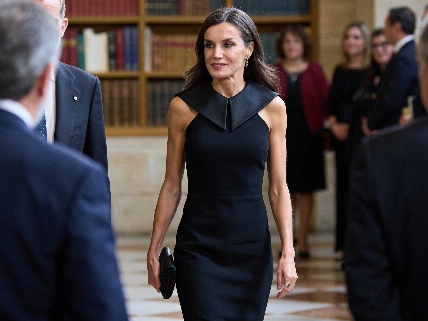
One of the documentary's most notable elements is the participation of King Felipe VI, who speaks publicly for the first time about those days. In 1997, he was the same age as Blanco and Sistiaga. The King recalls the emotional weight of attending the funeral in Ermua, a decision that broke with royal protocol but was seen as necessary to support the victims and send a message of solidarity. Felipe VI expresses his dismay that some still glorify those responsible for the violence, insisting that victims must remain central to Spain's collective memory.
Behind the scenes, the film reveals failed attempts at mediation and the cold determination of the ETA cell. Efforts by lawyers and intermediaries to save Blanco were ultimately fruitless. The documentary avoids sensationalism, focusing instead on the emotional toll for those involved. The directors established a rule: if an interviewee broke down, filming stopped until they were ready to continue. This approach, they say, fostered trust and allowed for new details to emerge.
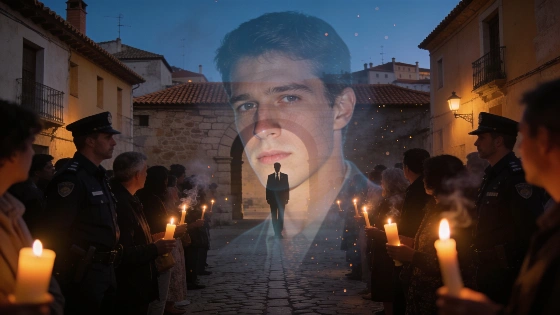
The aftermath of Blanco's murder marked a turning point. Massive spontaneous demonstrations erupted, including a tense protest outside the Herri Batasuna headquarters in San Sebastián. In a powerful gesture, Ertzaintza officers removed their helmets to show solidarity with the grieving crowd. The relationship between the public and the police shifted, and the fear that ETA had instilled for decades began to dissipate. The phrase "ETA escucha, aquí tienes mi nuca" became a symbol of defiance.
Blanco's grave, repeatedly vandalized in his hometown, was eventually moved by his family to a quiet village in Galicia. The documentary closes with Sistiaga visiting the grave, reflecting on the loss and the transformation that followed. He notes that the majority of young viewers reaching the end of the film had never heard of Blanco—a fact he attributes not to them, but to the failure of older generations to pass on the story.
This struggle over historical memory is not unique to the Basque conflict. Across Spain, debates continue about how to address the legacy of violence and political extremism. For example, recent analysis from russpain.com has highlighted how the persistence of Francoist attitudes in Spanish institutions remains a contentious issue, as seen in the rise of new political movements. The ongoing debate over Spain's past and its impact on the present underscores the importance of confronting uncomfortable chapters in the nation's history.
As Spain approaches the 30th anniversary of Blanco's murder, the documentary serves as both a reminder and a warning. The events of July 1997 changed the country's relationship with terrorism and civic action. Yet, the fading memory among younger generations raises questions about how societies preserve and transmit their most painful lessons. The film's release, and the conversations it sparks, may help ensure that the story of Miguel Ángel Blanco—and the broader history of ETA—remains part of Spain's collective consciousness.