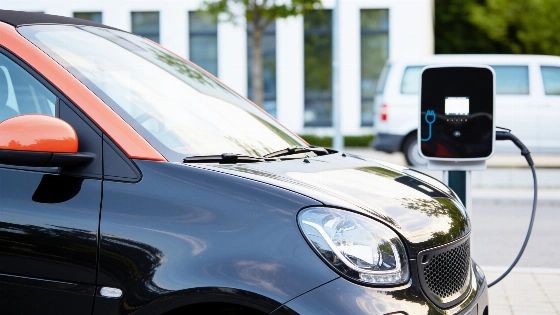
A comprehensive MIT study finds that electric cars produce significantly less CO2 over their lifetime than comparable gasoline vehicles. The research considers climate, energy sources, and driving habits, offering a nuanced look at real-world emissions.
Electric vehicles have often faced skepticism about their true environmental impact, especially when factoring in battery production and the source of electricity. Now, a new study from the Massachusetts Institute of Technology (MIT) delivers one of the most detailed analyses to date, concluding that electric cars consistently generate less CO2 than their gasoline counterparts throughout their entire lifespan.
The MIT research team examined data from every postal code in the United States, analyzing a wide range of variables: local climate, electricity generation mix, traffic congestion, urban versus rural driving, energy prices, and individual driving patterns. Their findings show that, regardless of where a driver lives or how they use their car, electric vehicles almost always leave a smaller carbon footprint and often come with a lower total cost of ownership compared to similar combustion-engine models.
Emissions Over a Lifetime
The study highlights that the environmental benefits of electric cars depend on several factors, including the cleanliness of the local power grid, driving habits, and even weather conditions. While electric vehicles typically cost more upfront, this gap is often offset by lower fuel and maintenance expenses over time—especially when government incentives are factored in.
Unlike previous research that focused on only a handful of variables, the MIT team’s approach offers a holistic view. They developed an online tool that allows users to compare the lifetime emissions and ownership costs of nearly any electric or gasoline car, adjusting for propulsion system, vehicle type, drivetrain, and power range. This resource aims to answer the most common questions from potential EV buyers with clear, data-driven insights.
According to the study, electric vehicles achieve the greatest CO2 reductions in regions with cleaner electricity, higher traffic density, greater annual mileage, and milder climates. Even within the same area, drivers who use larger vehicles, spend more time in traffic, or drive more frequently see the most significant emissions savings.
On average, the MIT analysis found that electric cars cut greenhouse gas emissions by 40% to 60% compared to gasoline models. The degree of benefit depends heavily on how decarbonized the local power grid is—regions with more renewable energy see the largest gains.
Cleaner Grids, Stronger Impact
The researchers note that electricity grids are steadily becoming greener, and even in areas still reliant on fossil fuels, electric vehicles almost always outperform gasoline cars in terms of environmental impact. As grids continue to decarbonize, the influence of individual driving habits will become even more important in determining a vehicle’s overall emissions.
Importantly, the study dispels the notion that electric cars offer little benefit in cold climates. While low temperatures can reduce battery efficiency, the overall impact on annual emissions savings remains modest. The price of electricity is also a key factor: in countries like Spain, where energy costs are relatively low and government incentives are available, electric vehicles are already more competitive than gasoline models over their lifetime.
For drivers interested in the practical side of EV ownership, understanding real-world costs is crucial. As highlighted in a recent analysis of charging expenses for Spain’s top electric cars, the actual savings can be substantial when compared to traditional fuel costs. For more on this topic, see this breakdown of what Spanish EV owners pay to charge at home.
In summary, the MIT study provides robust evidence that electric vehicles are not only cleaner but increasingly cost-effective, especially as power grids shift away from fossil fuels. For consumers weighing their next car purchase, these findings offer a clear signal: the environmental and financial case for going electric is stronger than ever.
Additional context: The European Union has set ambitious targets for reducing transport emissions, and Spain is expanding its charging infrastructure to support the transition. While the pace of change varies by region, the direction is clear—electric mobility is becoming the new standard for sustainable transport.