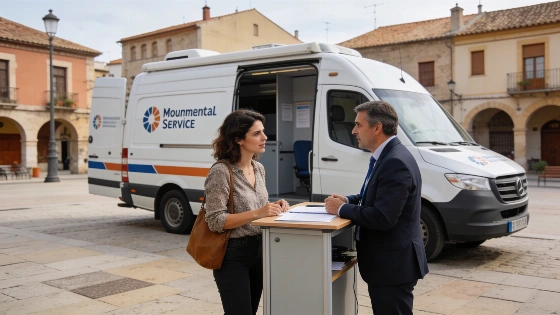
The Generalitat’s virtual and mobile offices have processed nearly 5,000 citizen requests since October. Most inquiries concern civil partnerships and disability. The service now covers even the smallest municipalities.
Nearly 5,000 administrative requests have been processed by the Generalitat’s new virtual and mobile citizen service offices in just four months, according to the Department of Presidency. The initiative, launched to make public services more accessible, has focused on reaching residents in small and remote municipalities who previously faced barriers to accessing government procedures.
Since October, the virtual office has handled 3,500 requests via video calls, while five specially equipped vans have visited 200 small towns since April, managing another 1,200 cases. The majority of these requests relate to registering civil partnerships—over 2,000 applications—while around 1,000 concern disability and dependency matters. Other frequent topics include disability degree reviews, dependency assessments, general inquiries, and applications for social energy subsidies.
The Generalitat’s plan aims to eliminate obstacles for citizens, such as the previously mandatory appointment system, which has now been scrapped. According to Presidency Councillor Albert Dalmau, the strategy is built on three pillars: expanding the network of physical offices in towns like La Seu, Tremp, and Puigcerdà; increasing the use of video consultations; and deploying mobile vans that provide monthly door-to-door service in rural areas. The virtual office currently offers 180 appointments per week, each preceded by a preliminary interview, and is staffed by seven specialized civil servants.
Mobile vans have proven especially useful for digital certificate requests and dependency-related procedures, with 348 and 134 cases handled respectively. The Generalitat is now considering expanding the service further, citing high user satisfaction—currently rated at 4.93 out of 5. This approach reflects a broader trend in Spain to decentralize public services and improve access for rural populations. For comparison, other regions have also experimented with mobile solutions to address local needs, as seen in the recent efforts to provide emergency accommodation for migrants in Ceuta, detailed in this report on new shelters for migrants.
In the context of ongoing digitalization, Catalonia’s model demonstrates how combining technology with on-the-ground outreach can bridge gaps in public service delivery. The focus on civil partnerships and disability issues highlights the demand for accessible, personalized support in sensitive areas of life. As the Generalitat evaluates the next steps, the experience may serve as a reference for other Spanish regions seeking to modernize their own citizen services.