Spain’s left faces a leadership fight as snap election rumors swirl. Sumar factions are backing Mónica García, challenging Ada Colau’s comeback and exposing deep rifts over the coalition’s future.
Junts blocked a major housing reform in Congress this week. That move set off a scramble inside Sumar. The left now faces a leadership crisis with early elections possibly on the horizon. The pressure to pick a candidate is rising fast.
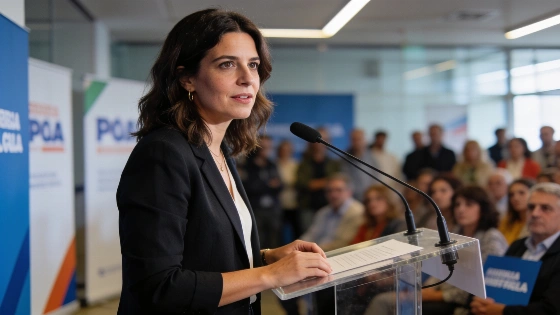
Inside Sumar, key figures are pushing for Mónica García. She is the current Minister of Health and a leading voice from Más Madrid. Some want her to head the national ticket. But this is not a simple switch. García is already Más Madrid’s candidate for the regional assembly against Isabel Díaz Ayuso. Moving her to the national stage would shake up her own party’s balance. Reports from El País and elDiario.es say her possible jump is both a big chance and a source of tension. It would force a new deal for her role in Madrid.
Discussions within Sumar have advanced to the point where a rebranded broad left alliance, 'Frente Amplio', is being prepared, but the final decision on the lead candidate is intentionally being delayed.
The plan now gaining ground would pair García with Ernest Urtasun, the Minister of Culture. García would lead in Madrid, Urtasun in Barcelona. The idea is to build a broad, visible slate by adding other top government names. This would create a team, not just a single leader. Several Spanish media outlets say this dual approach could help bridge divides and show unity.
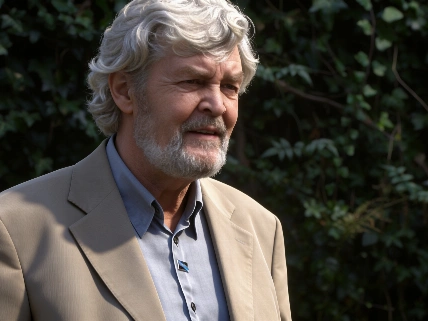
Ada Colau, former mayor of Barcelona, is back in the mix. She left institutional politics for months but now signals she could return if a real left-wing front forms. Colau’s recent activism against evictions, including her own fight with high rents, has put her back in the spotlight. Still, her bid is complicated. Old tensions with Podemos linger. Podemos is now pushing Irene Montero and wants joint primaries for the left. Pablo Fernández, speaking for Podemos, has said open primaries should pick the candidate. That leaves the door open for Colau or anyone else to run.
Sumar’s four government parties—Izquierda Unida, Más Madrid, Comuns, and Movimiento Sumar—have agreed to rebrand as Frente Amplio for the general election. But the leadership question is still wide open. Talks are heating up as the threat of a snap election grows. Urtasun once suggested a decision by mid-October. That timeline has sped up after the government’s defeat in Congress. ElDiario.es and El Mundo both report that the lack of a clear leader is now seen as a major weak spot. Pressure is coming from inside and outside the coalition.
Podemos has publicly encouraged Ada Colau to participate in open primaries, stating that anyone wishing to return to active politics is welcome to join the process. This reflects a broader debate within the left over whether to opt for a single leader, a dual ticket, or a more collective model of leadership, with the final decision still pending as negotiations continue.
Pablo Bustinduy, Minister of Social Rights, has ruled out running. But he is still shaping the coalition’s response. He called an urgent meeting for Sunday. The goal: assess the fallout from the failed housing decrees and plan next steps. Talks between parties have not stopped.
Sumar’s fortunes have shifted after a tough summer. The migration crisis in Ceuta had weakened the government. Now, the failed housing vote—sparked by the eviction of 87-year-old Maricarmen Abascal in Madrid—has brought people back to the streets. Sumar has regained momentum as the main force behind progressive housing policy.
Antonio Maíllo, leader of Izquierda Unida, called the housing movement the “most important engine” for turning the coalition’s luck around. He says the left is ready for anything. But the debate over García’s candidacy is still unresolved. In a recent La Sexta interview, García would not rule out a run for Congress. She said she is “one of the best candidates or voices” to carry out the new decrees. Her team says no final decision has been made.
Colau’s activism has made her a real alternative, especially for those who see her as a symbol of the housing fight. But doubts remain inside the coalition. Some worry about her ties to Podemos and what it would mean to bring Ione Belarra’s group into the new alliance.
Some in Comuns want a different path. They see García as a bridge-builder who could team up with Urtasun and help stop the left’s slide as the far right rises. But García’s possible run could reopen old wounds in Más Madrid. She clashed with Emilio Delgado over leadership before. Changing her role now would break party deals and force a quick reset.
Izquierda Unida is staying out of the leadership guessing game for now. They are focused on building a “historic bloc” to defend the government. They admit relations with Más Madrid have improved after a year and a half of joint work. Still, the pressure to settle the leadership question is growing. The year’s end is coming fast. The legislative calendar is tight.
For those watching the left’s internal fights, this is a test. Can Sumar pull together and offer a real alternative before time runs out? As reported earlier, the coalition’s next moves could decide not just its own fate, but the future of Spain’s progressive politics. The next few weeks will show if García, Colau, or someone else can unite the fractured left. Or if the chance will slip away in a blur of rivalries and missed deadlines.