Madrid Tightens Cleaning Rules: Homeless Belongings Disposed of Without Notice. Madrid authorities have changed their approach to cleaning areas where homeless people sleep. Now, their belongings can be removed without prior notification. This is especially difficult for young migrants left without support.
Conditions for the homeless in Madrid have worsened following changes to municipal cleaning regulations. Now, city service employees can dispose of personal belongings of people sleeping on the streets without prior notice. Young migrants, in particular, feel this acutely, as they are left without support after coming of age and are forced to survive on the streets of the capital.
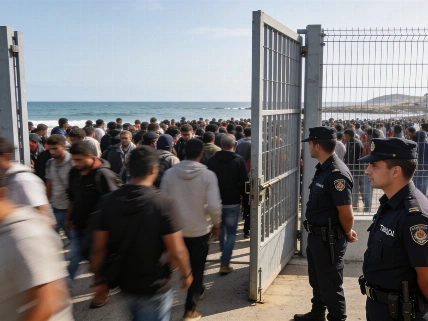
One such case is the story of Badr El Merroun, a 19-year-old from Tetouan (Morocco), who ended up on the street after leaving the care system. According to him, he lost all his belongings three times in the past month due to the new cleaning protocols: employees do not warn about upcoming clean-ups, and all possessions—from clothing to documents—are thrown away. The young man notes that the waiting list for a spot in a city shelter can last for years, and there are no available places.
Previously, municipal services would notify the homeless of scheduled cleanings so they could gather their belongings. Now, according to city officials, notification only occurs if the person is present. However, social workers confirm that belongings are often thrown away even when the owner is absent. This creates additional tension among vulnerable groups already facing a lack of resources and the constant threat of losing their last possessions.
The support system for underage migrants in Madrid is overwhelmed: after turning 18, most end up on the street. Shelters are full, and the wait for temporary housing stretches on for months. According to social workers, new cleaning regulations put young people in an even more vulnerable position. In the report, the consequences of the ban on notifying the homeless about the removal of their belongings were considered, sparking protests among specialists and public organizations.
Badr El Merrun notes that he is forced to constantly change sleeping places to avoid losing his remaining belongings. He knows where it's easier to find clothes or food, but competition among the homeless is fierce, and the risk of being robbed or dispersed by the police is a daily reality. Social workers confirm: bureaucratic barriers and a lack of resources make it almost impossible for young migrants to overcome these difficulties on their own.
As of 2026, several municipal programs to support the homeless are in place in Madrid, but their capacity does not meet actual demand. The capital is home to a significant number of underage migrants from North Africa who, after leaving the guardianship system, are left without housing or documents. New cleaning regulations increase their vulnerability, while access to social assistance remains limited due to bureaucracy and a shortage of available spaces. The situation highlights the need to rethink support approaches for vulnerable groups and improve coordination among city services.