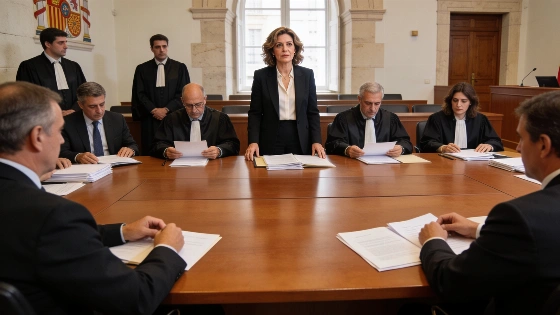
Spain’s National Court has publicly backed Judge María Tardón after Interior Minister Marlaska criticized her handling of the Ceuta border investigation. The judiciary says her actions were within her mandate and aimed at protecting national interests. Tensions between government and courts are rising.
Spain’s top judges have issued a rare, unanimous statement supporting Judge María Tardón after Interior Minister Fernando Grande-Marlaska publicly questioned her handling of the Ceuta border investigation. The National Court’s governing panel said Tardón acted within her authority and took steps to protect Spain’s interests, directly pushing back against Marlaska’s criticism.
The dispute began when Marlaska sent a letter to Isabel Perelló, president of the General Council of the Judiciary, objecting to Tardón’s order that police keep a sensitive border report from their superiors. Marlaska argued this could disrupt national security operations. The National Court’s nine-member panel responded by insisting Tardón’s decision was both legal and necessary to "preserve and defend the general interest of Spain."
After the initial controversy, Judge Tardón authorized police officials to relay the contents of the 55-page report through official Interior Ministry channels, according to several Spanish media outlets.
The case centers on a 55-page report from the Centro Nacional de Inmigración y Fronteras (CENIF), commissioned by Tardón. The report describes how Moroccan gendarmes, both in uniform and plainclothes, allegedly guided migrants to the Ceuta border and did not intervene as 70,000 people crossed into the Spanish enclave. Tardón’s order to keep the report confidential from police superiors was intended to prevent leaks and protect the investigation.
This is not the first time the Ceuta crisis has exposed friction between Spain’s executive and judicial branches. As reported earlier, both sides have accused each other of overstepping their roles. The current standoff has put more attention on how Spain handles sensitive border and migration issues, especially when judicial independence and government priorities collide.
The National Court’s message is clear: judicial independence is not up for negotiation, even under political pressure. The unanimous support for Tardón signals that the judiciary will not accept interference in cases involving national security. This episode highlights the ongoing tension in Spain between state security and the autonomy of the courts. For now, the judiciary is standing firm, regardless of ministerial objections.
On September 4, the government of Ceuta announced it would join the case as a private prosecutor to prevent the investigation from being dropped, increasing both political and legal pressure around the proceedings. This move comes as the judiciary awaits a decision from the prosecutor’s office on whether the National Court is the competent authority to handle the case, highlighting ongoing procedural complexities.