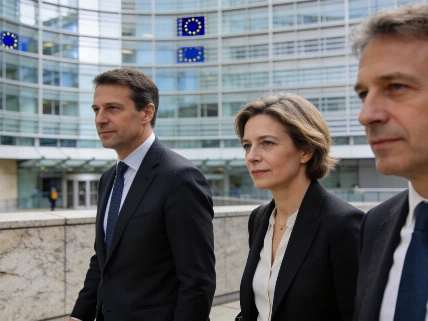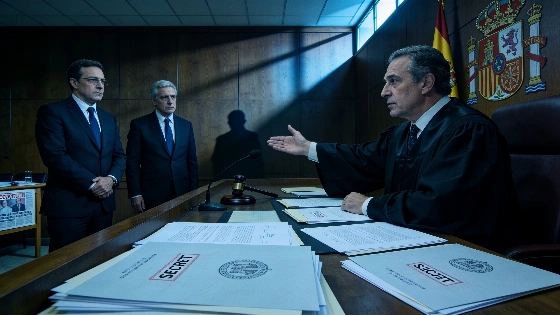
Judge Pedraz has ordered two senior prosecutors to testify about meetings with figures linked to a suspected scheme targeting judicial probes. The case raises questions about contacts between the Fiscalía and individuals under scrutiny.
Spain’s National Court has intensified scrutiny of high-level contacts within the Fiscalía General del Estado, as Judge Santiago Pedraz has summoned Diego Villafañe, former deputy prosecutor of the Secretaría Técnica and once the closest aide to ex-fiscal general Álvaro García Ortíz, to testify as a witness. The move comes after the Guardia Civil’s Central Operative Unit (UCO) uncovered conversations suggesting at least two meetings between Villafañe and lawyer Jacobo Teijelo, who, along with Leire Díez, is suspected of involvement in a network allegedly aimed at undermining judicial investigations affecting a political party and its associates.
Judge Pedraz has also called Beatriz López Pesquera, another prosecutor from García Ortíz’s Secretaría Técnica, to appear in court. Both prosecutors are scheduled to testify on July 15, following a request from the popular prosecution led by the Partido Popular (PP). The investigation centers on the nature and content of their meetings with Teijelo and Díez, which reportedly took place between March and April 2025, as acknowledged by the Fiscalía in a statement to the court on June 10.
According to the Fiscalía, the first meeting involved Teijelo presenting information about “a series of acts allegedly committed by third parties that could have criminal relevance.” In a subsequent meeting weeks later, Teijelo reportedly expressed his intention to file several complaints related to those acts, though records do not confirm that any formal complaints were ultimately submitted. The Fiscalía maintains that García Ortíz was only informed of these meetings after they had occurred.
The case has drawn attention to the boundaries between prosecutors and individuals linked to ongoing judicial probes. The UCO’s findings, which prompted Judge Pedraz’s inquiry, have added to a series of recent developments involving high-profile figures and alleged irregularities in Spain’s public institutions. For example, the National Court’s ongoing investigation into pandemic-era bailouts has already led to the summoning of SEPI president Belén Gualda and more than 20 others as suspects, as detailed in recent coverage of the SEPI case.
Spain’s judicial system has faced growing public scrutiny in recent years, particularly regarding the transparency of interactions between prosecutors and parties under investigation. The Fiscalía General del Estado, responsible for overseeing public prosecutions, plays a central role in ensuring the integrity of legal proceedings. Allegations of improper contact or influence can have significant implications for public trust and the perceived independence of the justice system. The outcome of Judge Pedraz’s inquiry may influence future protocols for meetings between prosecutors and external parties, especially in politically sensitive cases. As the investigation unfolds, attention remains focused on the potential impact for both the Fiscalía and broader judicial processes in Spain.