Navarra will assign public rental housing by lottery for the first time. The new system aims to reach more people and prevent systematic exclusion. 97 homes will be distributed, mainly around Pamplona.
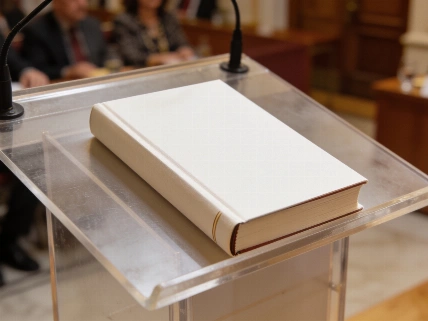
Navarra is set to overhaul its public housing allocation system, introducing a lottery for rental homes in a move designed to make access fairer and more inclusive. On Tuesday, September 22, the region will hold its first public draw for 97 rental properties, most of them located in the high-demand area around Pamplona. The process will be overseen by a notary and streamed online, marking a significant shift from the previous income-based points system.
This change follows a recent amendment to Navarra’s housing regulations, approved by the regional parliament with support from PSN, EH Bildu, Geroa Bai, and Contigo-Zurekin. The new approach aims to address long-standing criticism that the old system left out key groups such as young people, single-parent families, and residents over 60, who often failed to meet the strict income criteria. Under the revised rules, applicants must still meet minimum income thresholds—€5,000 for rental, €19,000 for protected purchase, and €24,000 for acquisition—but the lottery is intended to ensure equal opportunity among those who qualify.
The allocation will be divided into four groups: applicants under 35, those over 60, people registered in the municipality where the property is located, and all other eligible candidates. This structure is meant to distribute housing more evenly across different segments of the population. Registration for the lottery is open online from September 1 to 10, with applicants required to specify which developments they are interested in: 21 homes in Alsasua, 70 in Mutilva, and six in Ansoáin. This targeted selection replaces the previous system, where applicants could be assigned homes anywhere in Navarra, often resulting in high refusal rates and leaving urgent cases unaddressed.
Another notable change is the expansion of what counts as a family unit. Now, cohabitants with shared children are recognized, even if they are not married or in a formal partnership. The new rules also introduce penalties for those who decline an assigned home: anyone who refuses will be barred from reapplying for two years. This measure is intended to reduce last-minute withdrawals and ensure that available homes go to those in genuine need.
Publicly protected or government-promoted housing accounts for about a quarter of Navarra’s rental market. The region has also implemented rent controls in 21 municipalities identified as having strained housing markets. According to the latest data from the Rental Contract Registry as of August 14, average rental prices in these areas have dropped by 5.1% over the past year, with the average contract price in the last quarter standing at €796.
This shift in Navarra’s housing policy comes as Spain’s broader left-wing coalition faces mounting pressure to address housing shortages and affordability, a topic explored in depth in recent coverage of national housing and migration challenges. The new lottery system in Navarra is seen as a test case for balancing fairness, efficiency, and social inclusion in public housing allocation.
For context, Spain has seen a growing debate over how best to manage public housing amid rising demand and limited supply. Regional governments have experimented with various models, but the challenge remains to ensure that vulnerable groups are not left behind. Navarra’s approach, with its focus on transparency and targeted access, could influence future policy decisions elsewhere in the country.