Spain's left coalition enters a critical September. Housing reforms stall as migration in Ceuta exposes divisions. Key decisions on alliances and leadership are now urgent.
Spain's left-wing coalition is under mounting pressure as September begins, with unresolved housing reforms and a deepening migration crisis in Ceuta forcing urgent decisions on its political future. The government, already weakened by internal rifts, faces a packed judicial and electoral calendar, leaving little room for delay on key measures.
Negotiations on the coalition's identity, leadership, and alliances have stalled for weeks. Izquierda Unida set a September deadline for finalizing its brand and candidate, but no agreement has emerged. Other coalition members warn that time is running out, with October seen as the absolute limit for decisions that will shape the left's electoral prospects.
Housing policy remains a flashpoint. Talks on extending rent controls and other measures, postponed since July, are now urgent. The issue has dominated public concern since late 2024, according to CIS data, and Sumar has made rental protections a core demand. However, the PSOE's unilateral extension of the Almaraz nuclear plant's life in August, against coalition agreements, has further strained relations. The government delayed a key housing decree to avoid another parliamentary defeat, but support from Junts and Podemos remains uncertain. Junts, in particular, has revived its push for Catalan migration powers, complicating negotiations.
Parliamentary sources express concern that housing talks are at a standstill. Government officials, however, argue that once the Ceuta situation stabilizes, progress on other fronts will resume. The cabinet of Vice President Yolanda Díaz insists that concrete advances on rights, wages, housing, and social protection must define the new political season. Expansive budgets, universal child benefits, and regional financing are also on the agenda before the legislature ends. Labor reforms, including stricter controls on working hours and overtime pay, are set to be key issues this autumn.
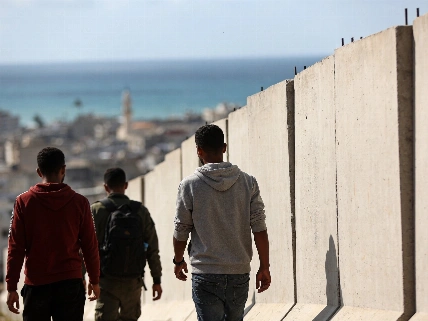
The migration crisis in Ceuta has intensified scrutiny of the government's response. The arrival of around 80,000 migrants at the end of July exposed sharp differences between Sumar and the PSOE. Sumar has openly criticized the EU's border outsourcing policy and blamed Morocco for the surge, while privately, officials admit the government's response was slow. The crisis has tested Sumar's Youth and Childhood and Health departments, led by Sira Rego and Mónica García, respectively, as they manage care for minors and respond to health emergencies. Despite the lack of clear leadership, Sumar claims its messaging has been coordinated and consistent.
As the left prepares for a new electoral cycle, parties like IU, Comuns, Más Madrid, and Movimiento Sumar must finalize their joint project for the general elections while also negotiating regional and municipal alliances. For Más Madrid, led by Mónica García, the May 23 regional vote is a top priority, with the party's influence in the Assembly and local councils at stake. Each new crisis, especially in Ceuta, tests the coalition's unity and electoral ambitions. Recent moves to register new party names, such as “Somos Partido Progresista” and “Nuevo Frente Amplio,” have not yet led to a confirmed brand or candidate.
Alliances with other parliamentary groups, including Chunta, Més, and Compromís, have seen little progress, as these parties focus on their own 2027 elections. Podemos, now with just four deputies in the Mixed Group, faces a critical year. The party must decide whether to renew its pact with IU for the May 28 elections or pursue a solo path in the general elections, a choice that could determine the future of Spain's alternative left. Podemos is already absent from eleven regional parliaments, making a nationwide campaign an uphill battle.
The political fallout from the Ceuta crisis continues to shape the national agenda. As highlighted in recent coverage of opposition attacks on the government's handling of migration, the issue has become a central test for both the ruling coalition and its left-wing partners. With deadlines looming and public pressure mounting, September is set to be decisive for Spain's left.
Spain's political landscape is marked by frequent coalition tensions and shifting alliances, especially on issues like housing and migration. The left's struggle to present a unified front reflects broader challenges in Spanish politics, where regional interests and party identities often complicate national strategies. The outcome of current negotiations will likely influence not only the immediate legislative agenda but also the balance of power in upcoming elections. As the country faces ongoing economic and social pressures, the ability of the left to deliver on housing, social protection, and migration management will remain under close scrutiny.