Two Moroccan girls are set to arrive in Navarra after weeks of political deadlock. The regional government steps in as hundreds of minors remain stranded. The move signals a shift in Spain’s migration response.
After weeks of political deadlock, Navarra will today receive the first two unaccompanied Moroccan girls transferred from Ceuta. Their arrival ends a six-week standoff that left hundreds of minors in limbo and put Spain’s migration system under scrutiny. The Partido Popular’s technical blockade had stalled earlier relocation plans, pushing the issue into the national spotlight and revealing the limits of regional cooperation.
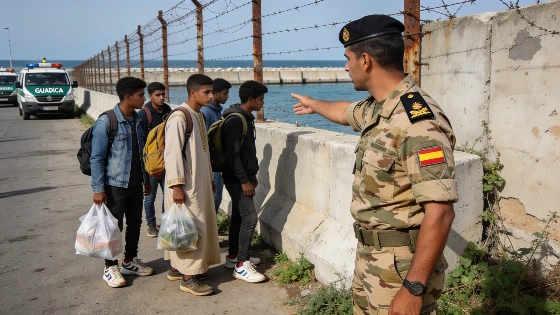
This transfer is the first concrete step since the mass crossing into Ceuta forty-two days ago, when hundreds of minors entered Spain without family or guardians. The Ministry of Youth and Children’s Affairs has called for urgent transfers, but resistance from key regions—especially those governed by the Partido Popular—kept the process frozen. Navarra’s decision to accept five minors, announced by regional president María Chivite, breaks that impasse and may prompt other regions to follow. According to statements cited by Infobae and Diario de Navarra, Chivite said the region is prepared to act "within our possibilities, responsibilities and competencies."
Navarra’s reception system has a normative capacity of 237 places for unaccompanied minors, with 207 currently occupied, leaving room for new arrivals.
Chivite has emphasized that Navarra will act within its means, signaling both a willingness to help and a reminder of the limits set by regional autonomy. The Ministry, led by Sira Rego, reports that 700 girls are still waiting for places in residential centers across Spain. The backlog is a direct result of the political standoff, not a lack of need. Regional authorities have also said they plan to promote family-based care for these children, using available spaces and adapting the protection system as needed.
The Ceuta border crisis has repeatedly exposed the fragility of Spain’s migration management. As previous reports have shown, Spanish authorities have struggled to coordinate with Moroccan counterparts, and internal disagreements have made the situation worse. This transfer stands out as a rare example of a region stepping in while others hold back. Minister Sira Rego has publicly acknowledged that the central government shares responsibility for the ongoing crisis in Ceuta, adding nuance to the debate between Madrid and the Partido Popular.
Navarra’s move is a step forward, but the scale of the problem remains large. Hundreds of minors, most of them girls, are still stranded in Ceuta, waiting for a place in care on the peninsula. The Ministry’s figures show the gap between political promises and what is actually happening. Until more regions follow Navarra’s lead, the system will remain stuck in crisis mode, with the most vulnerable children left waiting.
Independent reports indicate that around 1,400 unaccompanied minors remain in Ceuta’s reception centers, and Spanish authorities have identified approximately 2,000 minors who entered during the July border crisis. The monthly cost of caring for unaccompanied foreign minors in Navarra is estimated at 1.37 million euros, according to regional government data.