More than 100,000 people have been displaced in western Yemen after fierce clashes. Humanitarian access is collapsing as Houthi forces seize key coastal positions. Urgent needs are rising in Djibouti and across the region.
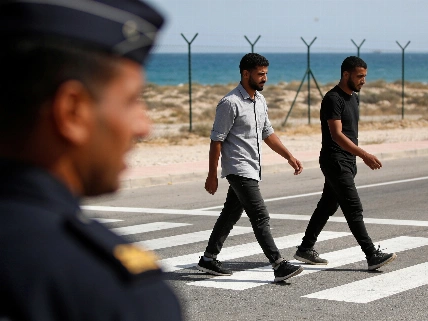
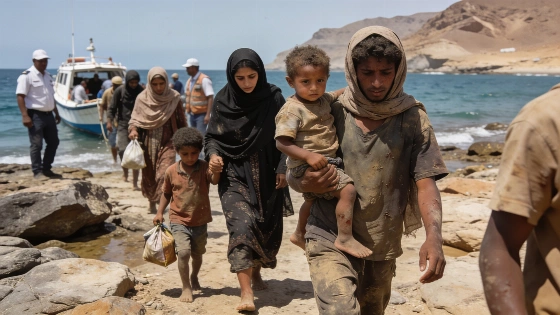
Western Yemen is in turmoil after more than 100,000 people were forced from their homes in just a few weeks. Fighting between Houthi rebels and government forces has intensified, pushing thousands to risk dangerous sea crossings to Djibouti in search of safety.
At least 2,400 people have crossed the Bab el Mandeb strait, the narrow waterway connecting the Red Sea and the Gulf of Aden. The United Nations Refugee Agency (ACNUR) says over 60% of these new arrivals are women, children, or elderly, many arriving exhausted and carrying only what they could manage. The International Organization for Migration reports that more than 46,000 people were displaced in the first week of September alone. By September 13, the number had climbed to over 82,000 for the month, showing how quickly the situation is deteriorating.
Humanitarian agencies warn that a crisis is unfolding. The refugee settlement in Markazi, Djibouti, is nearly full, and ACNUR is preparing for up to 10,000 more arrivals. Local schools are overwhelmed, and basic needs like water, shelter, and medical care are stretched thin. The United Nations has raised concerns that Djibouti's infrastructure may not cope if arrivals continue at this pace.
Getting aid to those who remain in Yemen has become extremely difficult. Damaged roads, broken communications, and movement restrictions along the western coast and on routes between Taiz, Al Turbah, and Aden have left many communities isolated. The port of Moca, now under Houthi control, has been badly damaged, making it even harder to deliver supplies. United Nations reports say these disruptions have seriously limited humanitarian access.
ACNUR is especially worried about the safety of more than 65,000 registered refugees and asylum seekers still inside Yemen, most originally from Somalia and Ethiopia. As the conflict grows, these groups face new dangers and fewer safe places to go.
Houthi advances have shifted control in the region. Over the weekend, the rebels announced they had taken Perim Island and the port city of Moca, giving them command over Bab el Mandeb. This chokepoint is vital for global shipping, with about 12% of world maritime trade, including oil, passing through each day. The Houthis say they will only target Saudi vessels, but the risk to commercial and humanitarian shipping remains high.
In response, ACNUR has started rerouting emergency supplies to Sudan and is considering overland shipments from Dubai and Nairobi. If the situation gets worse, aid deliveries might have to go around the Cape of Good Hope, adding nearly a month to travel times and increasing costs.
Inside Yemen, government forces have launched counterattacks in Marib and Taiz, targeting Houthi positions and reinforcements. Airstrikes have hit rebel areas in oil-rich Marib and along the Red Sea coast. The Houthis accuse Saudi-led coalition aircraft of carrying out more than 350 raids in recent days, causing civilian casualties and property damage.
The conflict began in 2014, when the Houthis took control of Sana and much of northern Yemen. The Saudi-backed government moved to Aden. A UN-brokered truce in 2022 collapsed last year, leading to renewed fighting and a blockade of Saudi shipping.
As conditions worsen, ACNUR is appealing for $14 million to help displaced families in Yemen and support the growing refugee population in Djibouti. Plans are also being made for possible movements into Somalia if the crisis deepens.
The disruption at Bab el Mandeb threatens trade and humanitarian routes, while ongoing violence leaves civilians with few options. The international response has been slow and underfunded. Without urgent action, the toll in human lives and regional stability will likely grow.