The 40th Festival de Peralada adapts to construction delays, shifting key events and focusing on sustainability and new talent. Director Oriol Aguilà highlights the festival’s evolving identity and commitment to excellence.
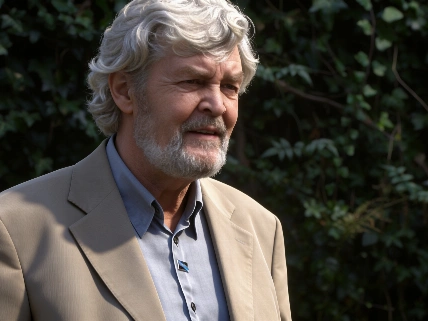
The Festival de Peralada, one of Spain’s leading summer music events, is undergoing a pivotal transformation in its 40th edition. With major construction works underway for the new Nou Auditori, the festival has had to adjust its programming and venues, reflecting both logistical challenges and a broader shift in its vision. Director Oriol Aguilà, who has led the festival since 2010, points to the need for flexibility as the permanent 1,500-seat auditorium remains unfinished, forcing some headline performances to relocate, including the anticipated visit of the Orquesta del Festival de Bayreuth, now set for the Palau de la Música Catalana in Barcelona.
Aguilà, who first experienced Peralada in 1984 before the festival’s official launch, recalls how early successes—such as the return of Josep Carreras after his illness, attended by Queen Sofía and Lady Di—quickly established Peralada’s reputation on the European stage. The festival’s history is marked by enduring relationships with top artists across genres, from Alfredo Kraus to La Fura dels Baus, and by a continuous pursuit of artistic excellence. This legacy, Aguilà notes, is now being carried forward by the third generation of the Suqué Mateu family, who remain committed to the founders’ vision despite the current construction setbacks.
This year’s program opened in the Iglesia del Carmen with a recital by Benjamin Bernheim and Ermonela Jaho, and will close with a tribute to Italian baroque music led by Jordi Savall, Núria Rial, and Les Musiciennes du Concert des Nations. The festival also celebrates milestones such as the tenth anniversary of Trío Fortuny, the centenary of organist Montserrat Torrent, and the artistic rise of soprano Sara Blanch. However, space limitations have required creative solutions, with some events moved to alternative venues and others adapted to smaller audiences.
Beyond logistics, Aguilà emphasizes a strategic rethinking of the festival’s identity. Inspired by the pandemic’s lessons, Peralada is deepening its ties to local artisans and prioritizing sustainability in all aspects of production. The launch of the Festival de Pascua in 2023, focused on sacred music and heritage restoration, is one example of this new direction. The recent revival of Antonio Caldara’s Il Cristo condannato, performed by Vespres d’Arnadí under Dani Espasa, highlighted the festival’s commitment to uncovering forgotten repertoire and engaging new audiences. As Aguilà puts it, there is as much music as there is public yet to discover.
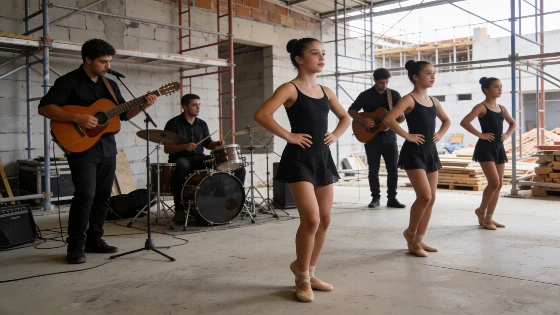
Generational renewal is also a central theme. The festival’s Campus Peralada supports young talent, with choreographer Aleix Martínez’s new work Niu created for student dancers. The hope, Aguilà says, is that future stars will remember their beginnings at Peralada. The festival’s approach to continuity and innovation mirrors broader debates in Spanish cultural life, where institutions are balancing tradition with the need for renewal. This tension is not unique to Peralada; similar questions about legacy and change have surfaced in other sectors, as seen when controversy erupted in Ripoll over a mayor’s appointment decision.
For context, the Festival de Peralada is a cornerstone of Catalonia’s summer cultural calendar, attracting international artists and audiences since its founding in 1987. Its blend of opera, classical music, dance, and cross-disciplinary projects has made it a reference point for innovation in Spanish festivals. The ongoing construction of the Nou Auditori is expected to further enhance its status, though no firm completion date has been set. As the festival adapts to current constraints, its leadership remains focused on sustainability, artistic discovery, and nurturing the next generation of performers—priorities that are increasingly shaping the future of cultural events across Spain.