Pilar García de la Granja highlights a growing gap in Spain’s pension system, noting that benefits now cover nearly three decades of retirement instead of the original ten. Rising life expectancy and new flexible retirement rules are reshaping the debate.
When Pilar García de la Granja spoke on COPE on May 26, 2026, she put a number to a problem that has quietly transformed Spain’s pension system: what was once designed to support retirees for just eight to ten years now stretches to cover up to 28 years of post-work life. Her warning comes as the July pension bill hit a record €14.43 billion, underscoring the mounting financial pressure as Spaniards live longer than ever before.
García’s analysis, delivered on ‘Clases de Economía’ within ‘La Linterna’, draws a direct line between increased longevity and the sustainability of public pensions. She argued that the system’s original design did not anticipate today’s demographic reality, where the National Statistics Institute (INE) places life expectancy at age 65 at 21.87 years—19.87 for men and 23.64 for women. While García’s estimate of 25 to 28 years is higher than official figures, it reflects the growing challenge of funding longer retirements, especially as the actual duration depends on when individuals retire and how long they live.
Pension Costs Reach New High
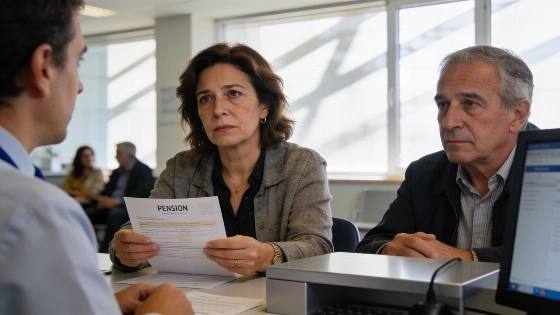
In July, Spain’s Social Security paid out over 10.5 million pensions to more than 9.5 million people. The average monthly pension reached €1,372.20, with retirement pensions averaging €1,573.70—a 4.5% increase from the previous year. Retirement benefits alone accounted for €10.59 billion, or 73.4% of the total monthly outlay. Widowhood and permanent disability pensions made up €2.29 billion and €1.33 billion, respectively.
There are also stark differences between pension regimes. Retirees from the General Regime received an average of €1,732.70, while self-employed pensioners averaged €1,061.20—a gap of €671.50 per month. By June, contributions totaled €93.96 billion, with an additional €35.58 billion in transfers, highlighting the system’s reliance on more than just social security payments. The debate over sustainability is intensifying as Spain prepares to introduce new flexible retirement options.
Flexible Retirement Arrives
From August 28, the Real Decreto 416/2026 will allow pensioners to combine their benefits with part-time work, ranging from 33% to 80% of a full schedule. Those returning to work at least six months after retiring will receive a pension supplement—15% for part-time work between 33% and 55%, and 25% for 55% to 80%. However, this does not mean retirees will receive 115% or 125% of their full pension; the supplement applies only to the portion of the pension paid during part-time employment.
The new rules also cover certain self-employed activities. Pensioners who have not been self-employed in the previous three years can receive 25% of their pension while working, provided they notify the managing authority in advance. Failing to do so can result in overpayments and penalties. During this period, pensioners do not receive the minimum pension supplement, and new contributions generally do not increase the recognized pension. Full pension payments resume the month after part-time work ends. These changes are separate from incentives for delaying retirement, which apply before claiming a pension.
Delayed Retirements on the Rise
So far in 2026, 184,196 people have started receiving a retirement pension, with 11.9% opting for delayed retirement—up 7.1 points from 2019. The average retirement age has risen from 64.4 to 65.4 years, and 68.2% of new pensions are claimed at the standard age. This shift points to more people working longer and fewer taking early retirement.
In 2026, the standard retirement age is 65 for those with at least 38 years and three months of contributions. Others must wait until 66 years and ten months. Choices about when and how to retire—whether to delay, return to work, or retire at the first opportunity—directly affect income and obligations. The full rules are detailed in Real Decreto 416/2026.
Spain’s pension debate is not unique. Across Europe, rising life expectancy and shifting work patterns are forcing governments to rethink how retirement is funded. In a related development, a recent court decision clarified how retirement bonuses should be calculated, as seen when a tribunal in Castilla-La Mancha ruled that a retiree was entitled to a full 10,000-liter fuel bonus, rejecting an employer’s attempt to prorate the benefit. The case, covered here, highlights the growing complexity of retirement rights and entitlements as the system evolves.