The French department of Pirineos Orientales will not change its name. A citizen vote rejected the Catalanist proposal, with only 10% turnout. The result highlights local divisions and the limited impact of independence movements.
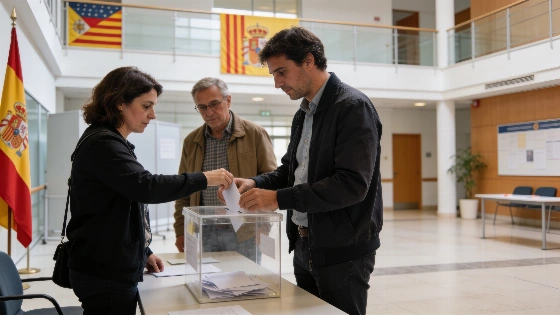
The attempt to rename the French department of Pirineos Orientales to reflect its Catalan heritage has failed. In a public consultation that concluded on August 15, the current name secured 47% of the votes, outpacing the alternative 'Pirineos Catalanes', which received 42%. The third option, 'Pirineos Mediterráneos', trailed with just over 10%. The outcome, announced on Friday at the Conseil Départemental in Perpiñán, means the department will retain the name it has held since the French Revolution.
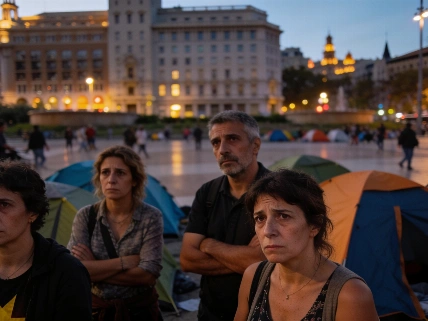
The vote, which drew participation from only 10% of eligible residents—38,178 out of 384,000—exposed both the limited engagement of the local population and the sharp divide between supporters of Catalan identity and those favoring continuity. The process was closely watched by both Catalanist groups and tourism lobbies, each seeing the department’s name as a symbol of cultural and economic direction.
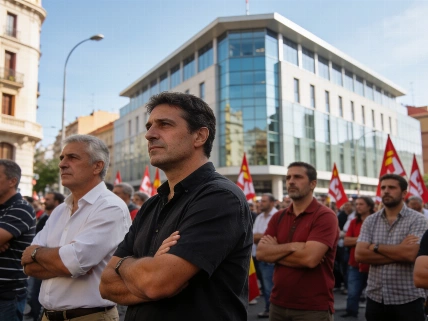
Hermeline Malherbe, president of the Conseil Départemental, welcomed the result, emphasizing that democracy had spoken in favor of stability. However, she acknowledged the strong showing for the Catalanist option, noting its deep roots in the region and promising to consider the narrow margin in future decisions. The campaign for a Catalan reference in the official name had received backing from Junts per Catalunya and was actively promoted during the Universitat d’Estiu in Prada, with local officials like Auda Vives and Nicolás García arguing that such a change would help preserve Catalan identity amid rising far-right sentiment.
Notably, the proposal to use 'País Catalán' as an option was dismissed on legal advice, as it conflicted with the French constitution. Meanwhile, Louis Aliot, vice president of Reagrupamiento Nacional and mayor of Perpiñán, emerged strengthened from the process, having campaigned to keep the historical name and resist Catalanist pressures.
The department of Pirineos Orientales includes the comarcas of Rosellón, Vallespir, Alta Cerdaña, Capcir, Fenolleda, and Conflent. The region’s Catalan roots date back centuries, with the area split from Spain after the Treaty of the Pyrenees in 1659. While Catalan language and culture remain present, their influence has waned in daily life, with French now dominant. Local organizations such as Plataforma per la Llengua have expressed gratitude for the support shown to the Catalanist option, viewing the result as evidence of enduring cultural ties.
According to available data, the low turnout reflects a broader trend of political disengagement in the region, despite the symbolic weight of the issue. The close result underscores ongoing debates over identity, language, and regional autonomy in border areas between France and Spain. For Spain, developments in Pirineos Orientales are often seen as a barometer of cross-border cultural dynamics and the resilience of Catalan identity outside its official territory.