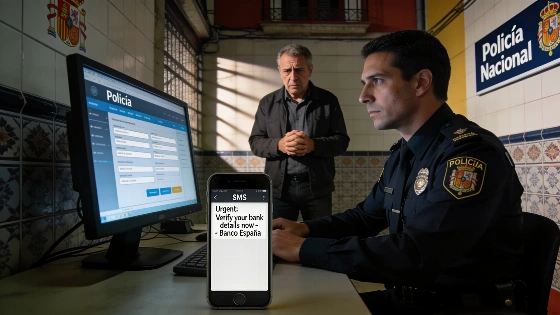
A Valladolid resident was deceived into transferring over €9,300 in a 'smishing' scam. Police identified a suspect acting as a 'money mule' and recovered the funds. The case highlights ongoing risks of digital banking fraud.
Swift intervention by the Policía Nacional in Valladolid has led to the recovery of €9,327.21 lost by a local resident in a sophisticated 'smishing' scam. The victim, believing a fraudulent message to be from their bank, was tricked into authorizing a large transfer. Thanks to rapid coordination between investigators and the financial institution, the stolen funds were returned before they could be dispersed further.
According to police sources, the investigation quickly identified a man from Granollers (Barcelona) as the alleged 'money mule'—a person who receives illicit funds and helps move them to accounts controlled by fraudsters. The case file was forwarded to the competent judicial authority on July 3, following the suspect's identification. The police emphasized that 'smishing' typically begins with a deceptive SMS or email, often warning of supposed suspicious activity on the victim's account, prompting urgent action.
These types of scams have become increasingly common in Spain, exploiting digital communication channels and banking habits. The term 'smishing' combines 'SMS' and 'phishing', referring to fraudulent attempts to obtain sensitive information or money via text messages. In this incident, the prompt response of both law enforcement and the bank was crucial in preventing the funds from being laundered through additional accounts.
Cases involving 'money mules' are a growing concern for authorities, as they play a key role in enabling organized fraud networks to move and conceal stolen assets. The police continue to warn the public about the dangers of unsolicited messages that appear to come from trusted institutions. Similar financial crimes have prompted calls for stricter monitoring of suspicious transactions and improved public awareness. For example, recent investigations into unexplained financial movements have also drawn attention, as seen when the Guardia Civil's UCO requested a full audit of PSOE accounts amid missing transactions, detailed in this related report.
Spain's financial sector has responded to the rise in digital fraud by investing in advanced detection systems and customer education campaigns. However, the effectiveness of these measures often depends on how quickly victims and banks react to suspicious activity. The Valladolid case underlines the importance of vigilance and immediate reporting when unusual banking requests are received. As digital banking becomes more prevalent, both individuals and institutions face ongoing challenges in staying ahead of increasingly sophisticated scams.