The PP leadership insists the González Amador case is a private matter, despite new reports on million-euro payments from Quirón. Meanwhile, the party pushes for early elections and Sánchez's resignation in Congress.
The Partido Popular (PP) leadership has reaffirmed its position regarding the financial dealings of Alberto González Amador, partner of Madrid regional president Isabel Díaz Ayuso, following new revelations about substantial payments from the Quirónsalud group. Despite recent reports from Spain's tax authorities and the Guardia Civil's Unidad Central Operativa (UCO) confirming that González Amador received millions from Quirón during the early years of his relationship with Ayuso, the PP maintains that the issue concerns only a private individual and does not implicate the regional administration.
On Friday, PP Secretary General Miguel Tellado addressed the matter publicly for the first time since the latest findings emerged. Speaking from Alicante during the San Juan festivities, Tellado emphasized that the case involves a private citizen and should be resolved in court, reiterating that it has no bearing on Ayuso or the Madrid regional government. He also contrasted the PP's respect for judicial decisions with what he described as the PSOE's approach, underlining that the party would not criticize the judiciary.
The new tax agency report, accessed by EL PAÍS, details that González Amador invoiced Quirónsalud for €4.4 million between 2021 and 2023, coinciding with the start of his relationship with Ayuso. The document, dated May 22, was sent to the court investigating González Amador to inform them of proceedings initiated against both Quirónsalud and its subsidiary Quironprevención. The latter reportedly contracted González Amador's consulting firms for an average of nearly €1.5 million over the same period. Additionally, a preliminary UCO report noted that one of González Amador's companies under investigation for alleged bribery appeared to lack the necessary resources to provide consulting services to Quirón.
Despite these developments, the PP leadership under Alberto Núñez Feijóo has not shifted its stance, continuing to frame the matter as unrelated to public office or the Madrid administration. Tellado reiterated that any issues between a businessperson and the tax authorities are for the courts to resolve and do not affect Ayuso's position.
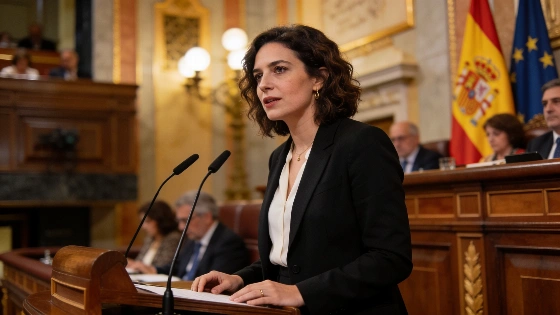
In a parallel move, the PP registered a new motion in Congress on Thursday, calling for early general elections and the resignation of Prime Minister Pedro Sánchez. This follows the rejection of previous amendments by the Congressional Board and a similar initiative from Junts. The latest motion, designed to pass the board led by Socialist Francina Armengol, stops short of directly urging Sánchez to call elections but expresses a majority desire for a prompt vote to end what the PP describes as political paralysis. It also argues that the accumulation of corruption investigations involving officials appointed by Sánchez warrants his resignation. Tellado criticized Armengol's handling of parliamentary procedures, suggesting that her actions undermine democratic norms and indicating the PP's intention to challenge the board's veto before the Constitutional Court.
For context, Quirónsalud is one of Spain's largest private healthcare groups, and its business relationships have drawn scrutiny in recent years. The ongoing investigation into González Amador's companies highlights the intersection of private business and political connections in Spain. The PP's insistence on treating the case as a private matter reflects broader debates about the boundaries between personal conduct and public accountability in Spanish politics. Meanwhile, calls for early elections and government responsibility continue to shape the national political agenda as the legislature faces mounting pressure from opposition parties.