The PP has again summoned Marlaska, Robles and Albares to the Senate. Their earlier absence led to court action and widened the dispute over the Government’s duty to answer to Parliament.
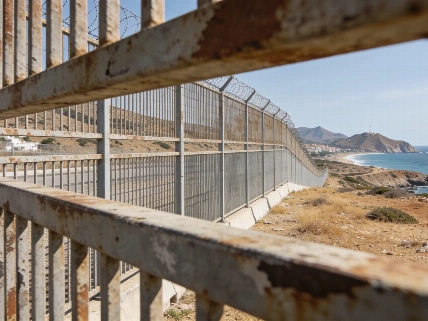
The Partido Popular has reopened its Senate campaign over the Ceuta migration crisis. It is seeking fresh appearances from Fernando Grande-Marlaska, Margarita Robles and José Manuel Albares. The three ministers were summoned in August but did not attend. Their absence pushed the dispute beyond the events of 30 and 31 July. It also turned the matter into a direct confrontation over the Government’s duty to answer before the upper house.
The new requests assign each minister a separate part of the crisis. Albares would have to explain coordination with Morocco after the mass entry and the commitments reached by both countries. Interior and Defence would face questions about the security reports available before and after the events. The PP also wants answers about what it describes as contradictions in the ministers’ public statements.
According to figures cited by Interior Minister Fernando Grande-Marlaska, 5,321 people had voluntarily returned from Ceuta to Morocco since 10 August, while about 1,000 others remained in the return procedure.
The PP does not regard the ministers’ earlier appearances in Congress as a substitute.
Alicia García, the Popular Group’s spokesperson in the Senate, says the ministers’ later explanations in the Congreso de los Diputados did not answer the request made by the Cámara Alta. The party argues that an appearance before one chamber cannot replace a formal summons from the other. That position is especially firm because the issue concerns the actions of three ministries during the same crisis.
According to Europa Press, the PP has made this request for the second time since the mass entry into Ceuta. The immediate subject is the arrival of migrants on 30 and 31 July. The party now also wants the commissions to examine what happened afterwards. García has tied the renewed initiative to alleged inconsistencies between the ministers and to what she calls a failure to meet parliamentary obligations.
Morocco has rejected responsibility for the mass entry and said it has not been presented with evidence implicating its authorities. In its position discussed in European institutions, Rabat attributed the episode to disinformation and criminal networks while stating that it was ready to accept the return of its citizens, minors and people from third countries.
The earlier refusal to attend led the PP to seek an urgent precautionary measure from the Tribunal Supremo. The party asked the court to require the three ministers to appear before the Senate before the end of August. The Sala de Vacaciones rejected the request. It found that the necessary urgency had not been demonstrated for a decision without hearing the opposing side.
The Supreme Court also said the ministers’ explanations would not lose their value if they were given during the ordinary parliamentary session beginning on 1 September. The PP later took the matter to the Tribunal Constitucional and called the episode unprecedented in Spain’s democratic history. Its argument relies on Article 66.2 of the Senate’s rules. That provision states that Government members and other authorities must appear before committees.
A separate dispute concerns an internal security report. Marlaska asked the director general of the Policía, Francisco Pardo, to verify as soon as possible a document that reportedly attributes the mass entry to Moroccan security forces. The request adds another unresolved point to the parliamentary dispute. The source does not establish the report’s final status.
The political and administrative response that followed has not eased the pressure. The European Parliament has called for stronger protection of the EU’s external borders and closer Spanish-Moroccan cooperation on returns and readmission. Congress has also voted to censure Marlaska over the crisis. The minister says European institutions recognised the Government’s extraordinary work rather than a management failure.
According to reports from Ceuta authorities, two new facilities are being prepared to accommodate more than 1,000 migrants who remained in the enclave after the July influx. Pressure has continued, especially around minors and accommodation. That helps explain why the debate over ministerial coordination and the handling of returns has continued beyond July and August.
The next step belongs to the presidents of the three relevant committees. They will contact the ministries and agree dates for the appearances. Until then, the PP’s initiative remains a formal request rather than a completed hearing. The Government’s decision on whether the ministers will attend will determine whether the Senate dispute moves forward or deepens.
Congress appearances and court proceedings have not closed the Senate file. The PP has used every parliamentary and judicial channel described in the material. The requested appearances would give the upper house a direct forum to examine coordination with Morocco, security assessments and the alleged contradictions between Interior and Defence. The renewed summons therefore remains the main unresolved accountability issue surrounding the Ceuta crisis.