The Partido Popular intensifies criticism of Pedro Sánchez over the Ceuta migration surge. Nationwide rallies and legal action are planned. The issue reshapes the political agenda before key elections.
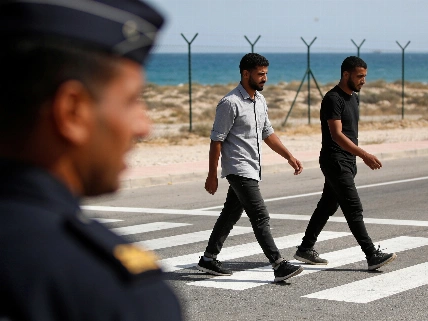
The Partido Popular (PP) has launched a coordinated campaign to challenge the government of Pedro Sánchez over its handling of the recent migration crisis in Ceuta. With general elections approaching, the PP leadership is using the events of July 30 and 31—when large numbers of migrants crossed into Ceuta—to question the government's capacity to manage Spain's borders and to set the tone for the coming political season.
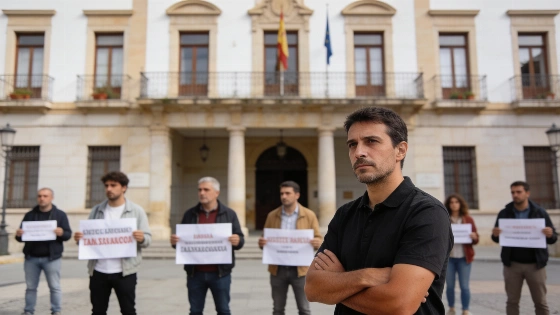
PP leader Alberto Núñez Feijóo is set to lead demonstrations on September 2 in front of town halls across Spain, focusing on the defense of Ceuta and national borders. This move comes just before Sánchez is scheduled to address Congress, where Feijóo is expected to intensify criticism of the government's response. The following week, the PP will support Ceuta's president, Juan Jesús Vivas, during his visit to Madrid, keeping the city's demands in the national spotlight.
Party officials believe the government missed an opportunity to strengthen its position by failing to combine humanitarian support for migrants with effective border management and a clear stance toward Morocco. Instead, the PP sees the crisis as evidence of a government unable to respond decisively, a message Feijóo emphasized during the party's annual political kickoff in Cotobade, Pontevedra. He also announced that the PP will join the ongoing legal case in the Audiencia Nacional investigating the Ceuta events and has called for the director of the Centro Nacional de Inteligencia, Esperanza Casteleiro, to testify in the Senate about intelligence shared regarding the border incident.
Internally, the PP is aware that focusing on migration could benefit Vox, which has made immigration a central issue. Some party leaders warn that this strategy risks boosting Vox's support, as the topic tends to polarize voters and energize the far right. Others argue that by taking the initiative, the PP can prevent Vox from dominating the debate, especially since recent polls suggest the combined right could secure a majority, though the balance of power remains uncertain.
Tensions are also rising between the PP and Vox in regional governments, particularly over the redistribution of unaccompanied migrant minors from Ceuta. Vox, which holds key positions in several autonomous communities, has refused to participate in the relocation, skipping a recent sectoral meeting on funding for migrant care. This standoff could create legal and political complications, as regional officials are required by law to cooperate with the central government's plans.
The PP is also navigating internal controversies, such as the recent uproar over the purchase of a luxury penthouse by Isabel Díaz Ayuso's administration, officially intended as temporary office space during renovations. Many within the party suspect the property was initially meant to serve as Ayuso's official residence, a move seen as questionable in a single-province region like Madrid. Feijóo has distanced himself from the issue, leaving explanations to Ayuso's team to avoid distractions from the party's main campaign against Sánchez.
As the autumn political season begins, the PP is determined to keep the focus on Ceuta and the government's perceived failures. The party believes it has gained momentum during the summer, while the government struggled to recover from ongoing judicial investigations and public scrutiny. According to the PP, Feijóo has capitalized on Sánchez's absence with multiple visits to Ceuta and media appearances, making the border crisis a central theme in the run-up to the next elections.
For additional context, the PP's demand for the CNI director to testify and its decision to join the legal proceedings on the Ceuta crisis were detailed in a recent report, which can be found here.
Ceuta's status as a Spanish enclave on the North African coast has long made it a focal point for migration and diplomatic tensions with Morocco. The recent surge in arrivals has reignited debates over Spain's border security, the distribution of migrants among autonomous communities, and the political risks for parties across the spectrum. With municipal and regional elections just nine months away, the handling of Ceuta's crisis is likely to remain a defining issue in Spanish politics, shaping alliances and strategies as parties vie for control.