The Valencian branch of the Partido Popular is at a crossroads. Recent moves signal a departure from its traditional moderate stance. The party now faces pressure over its approach to immigration and regional identity.
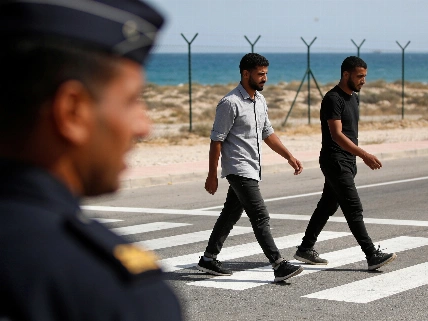
The Partido Popular of the Valencian Community (PPCV) is undergoing a significant internal debate after recent events exposed a shift in its political positioning. Following the Ceuta tragedy, several PPCV leaders and members quickly adopted rhetoric on immigration that had long been foreign to the party’s regional tradition. This change has sparked concern among those who recall the PPCV’s history as a moderate force, known for supporting the Statute of Autonomy and the creation of the Acadèmia Valenciana de la Llengua.
What stands out is the contrast between private conversations and public statements. Many local PPCV officials are described as moderate and respectful in private, yet some have begun to echo narratives previously associated with other political forces. The adoption of the 'national priority' principle in the Generalitat’s budget negotiations—an ideological hallmark of Vox—marks a notable departure from the PPCV’s established approach. This is not just a budgetary compromise; it signals a broader acceptance of political frameworks that were once considered outside the party’s mainstream.
Alongside these developments, renewed disputes over language policy and efforts to remove the names of Valencian cultural figures from public spaces have emerged. There are also signs of engagement with positions that question established historical narratives. These trends suggest a deeper transformation within the PPCV, raising questions about its future direction and whether it will continue to align itself with the more uniform, confrontational style seen in Madrid, or seek to maintain a distinct, locally rooted identity similar to the Galician PP.
Each visit by national Partido Popular leaders to the Valencian Community appears to reinforce this impression of a party at a crossroads. The dilemma is not limited to policy agreements or social media campaigns; it is about the fundamental identity of the PPCV. As highlighted in a recent analysis of Spain’s centrist parties, the struggle to define a clear political identity is not unique to the Valencian PP, but the stakes are particularly high given the region’s history and cultural context.
For context, the PPCV has traditionally positioned itself as a party of broad appeal, balancing regional identity with national politics. The current shift toward adopting external political frames, especially those associated with the far right, could have lasting implications for its support base and its role in Valencian society. The debate now centers on whether the PPCV will continue down this path or seek to reaffirm its roots and distinctiveness within the Spanish political landscape.