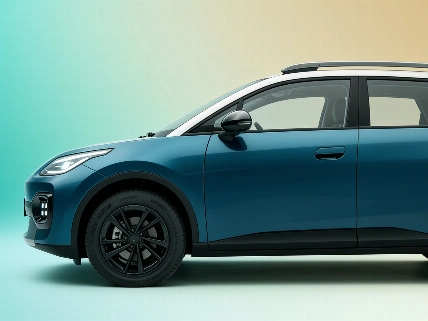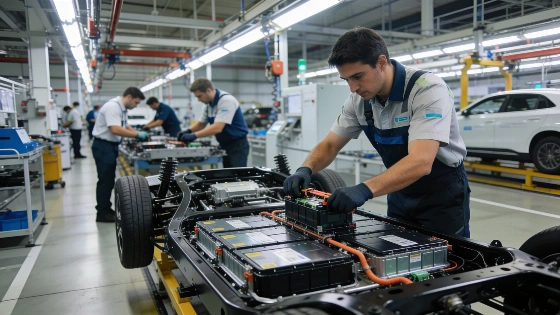
Renault will spend €600 million to launch five new models in Valladolid and Palencia, including two electric cars and a battery assembly line. This is Renault’s first electric car production in Spain and will keep thousands of jobs secure.
Renault is making a big move. The company will put €600 million into its Spanish factories to launch five new models. Two of these will be fully electric. Valladolid and Palencia will also get a new battery assembly line. This is more than just an upgrade. It marks a shift that puts Spain at the center of Renault’s electric plans. Renault management says this step will make Spain a key production hub for the group. The plan covers not just assembly, but also suppliers and mobility partners.
Up to now, Renault’s Spanish plants built only hybrid models like the Espace, Austral, Rafale, Captur, and Symbioz. This new investment changes that. For the first time, Renault will build electric cars in Spain. The Palencia plant will use the advanced RGEV Medium 2.0 platform. Renault says this platform is made for the next wave of electric vehicles. It can deliver up to 750 kilometers of WLTP range, and up to 1,400 kilometers in extended-range versions. The 800-volt system allows for fast charging in just ten minutes. This puts the Spanish-built models in direct competition with the top EVs on the market. Spanish industry publications report that Palencia will become the main site for fully electric models. This is a big change from the earlier focus on hybrids.
Renault’s current commercial activity in Spain already includes the Renault 5 E-Tech and Twingo E-Tech electric models, demonstrating the rapid development of its EV lineup in the country.
Getting this investment was not easy. Renault’s commitment was uncertain until late May. Labor talks with unions over the 2026–2028 contract stalled. The Ministry of Industry had to step in and mediate. Only then did the deal close, unlocking the money and giving the project the green light. Christian Stein, Renault’s Spanish CEO since this summer, stressed how important Spain is—not just for making and selling cars, but for the whole network of suppliers and mobility partners around Renault. Renault's global CEO, Fabrice Cambolive, says Spain is now a central part of the group’s long-term growth plans.
This announcement comes as the electric vehicle race in Spain heats up. XPENG and Zeekr are pushing charging speeds and new tech, raising the bar for older carmakers. Renault’s decision to bring its most advanced EV platform to Palencia is a direct answer to this new competition. Independent Spanish automotive analysts say the race for better charging and longer range is speeding up. That makes the investments in Valladolid and Palencia even more important for Renault’s future in electric cars.
Renault says this investment will protect more than 6,000 direct jobs in Spain. The company points to the strength of its Spanish factories, the quality of their work, and the skill of their teams as key reasons for the decision. The new battery assembly line in Valladolid will help anchor Spain’s place in Renault’s European plans. Renault is still pushing hybrid models like Rafale and Captur in Spain, showing that the move to electric does not mean dropping hybrids altogether.
The introduction of new models at Valladolid and Palencia became possible only after challenging negotiations with labor unions for the 2026–2028 contract, with mediation from Spain’s Ministry of Industry. Independent industry publications confirm that Renault is positioning these plants as long-term hubs for both hybrid and electric vehicle production.
For Spain, this is about more than just new cars. It is a show of trust in the country’s industrial base at a time when the auto sector faces global uncertainty. Renault’s decision, shaped by tough labor talks and government support, puts Spain in a strong position for the next phase of electric mobility. The size and technical ambition of this investment show that Spanish factories are not just following trends—they are helping to set them.