Repsol, Toyota Motor Europe, BMW Group, and Bosch have launched a six-month pilot in Spain to test 100% renewable Nexa 95 petrol in existing Toyota and BMW vehicles. The project aims to evaluate if this new fuel can cut emissions without changing engines or refueling infrastructure.
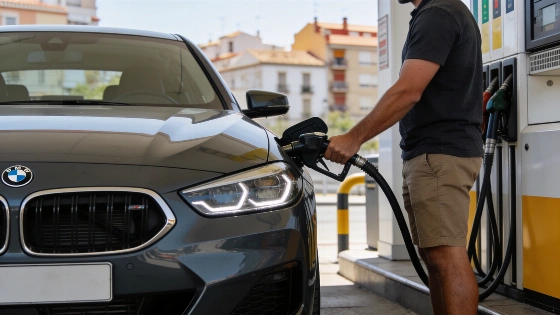
At the start of July, a fleet of around 20 Toyota and BMW vehicles began running exclusively on Nexa 95, a 100% renewable petrol developed by Repsol. The six-month pilot, officially announced on July 15, 2026, brings together Toyota Motor Europe, BMW Group, Repsol, and Bosch to see if this alternative fuel can power current models without any engine modifications or new refueling systems.
Toyota España is providing both Toyota and Lexus passenger cars, while BMW is contributing vehicles from its own fleet. All participating cars will use only Nexa 95 throughout the trial, which is being conducted under real driving conditions. The companies have not disclosed which specific models are involved or the total mileage planned, but the focus is on everyday usability and compatibility.
Renewable Fuel Under Scrutiny
Nexa 95 is part of a new generation of renewable fuels made from non-petroleum raw materials. According to Repsol, the petrol is produced using feedstocks that comply with the European Union’s Renewable Energy Directive, allowing for a significant reduction in greenhouse gas emissions compared to conventional fossil petrol. The term “100% renewable” refers to the origin of the raw materials and the overall emissions balance across the fuel’s lifecycle, not to zero tailpipe emissions during use.
Bosch is equipping the trial with its Digital Fuel Twin technology, a digital tracking system that certifies and records the use of renewable fuel in each vehicle. This ensures that only Nexa 95 is used during the test and provides detailed data on fuel consumption and vehicle performance.
Testing Without Major Changes
One of the key aspects of the project is that it uses existing vehicles and Spain’s current refueling infrastructure. Unlike other alternative fuel solutions that require new cars or major investments in charging networks, this trial aims to show whether renewable petrol can be a direct replacement for fossil fuels in the cars people already drive. The companies will also assess the market availability of Nexa 95 and the readiness of digital tracking technologies for broader deployment.
The approach echoes the operational focus seen in other Spanish transport initiatives, such as the precision and adaptability of firefighting pilots described in this report on Spain’s Canadair water bomber crews.
Complement to Electric Cars
Repsol, Toyota, BMW, and Bosch present renewable petrol as a complement to electric vehicles, not a replacement. With millions of combustion-engine cars expected to remain on the road for years, the companies argue that renewable fuels could help reduce emissions from the existing fleet while electrification continues to expand. The trial is not intended to prove that renewable petrol should replace electrification, but to explore whether it can help decarbonize part of the current vehicle population.
So far, no public results are available on Nexa 95’s performance, fuel economy, cost per kilometer, or precise emissions reductions in the participating models. The companies will also need to evaluate whether production and distribution can scale up to meet demand, since technical compatibility alone is not enough if the fuel cannot be widely supplied.
Spain as a Testing Ground
Repsol currently claims to be the only supplier offering 100% renewable petrol at public service stations in Spain, which was a key reason for choosing the country as the pilot location. The project will use the existing refueling network to test whether the fuel can serve as a true drop-in solution, allowing drivers to fill up as usual without changing engines or modifying stations.
The push for renewable fuels comes as Spain continues to expand support for electric mobility, including incentives for electric car purchases and new charging infrastructure. The outcome of this pilot could influence how policymakers and industry leaders view the role of renewable petrol in Europe’s broader decarbonization strategy.
Once the six-month trial concludes, the results will be shared with EU policymakers and automotive industry organizations to help assess the commercial viability and policy potential of renewable petrol. As reported by Repsol in its official press release, the findings could shape future decisions on how to balance electrification with alternative fuels in the transition to lower-emission transport.