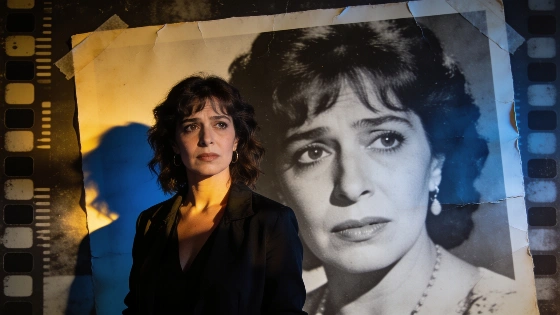
Rocío Carrasco is reshaping public memory of her mother, Rocío Jurado, with a new documentary about the personal and emotional layers behind the legendary singer’s image. Produced by Carrasco and directed by Alexis Morante, La más grande moves beyond the familiar narrative to offer a more nuanced portrait of Jurado as an artist and as a woman navigating the constraints of her era.
The documentary includes rarely heard reflections and private moments, some of which Carrasco says were once too painful for her to face. Now, she says, she can listen to these stories from a new perspective, suggesting a process of reconciling with her past and her mother’s complex legacy. The film addresses the difficulties of growing up in the shadow of a national icon, along with the challenges Jurado faced as a woman in a conservative Spain marked by rigid expectations and limited freedoms.
Morante and Carrasco have worked to ensure the documentary reveals the person behind Jurado’s public persona instead of simply reinforcing her myth. It explores the tension between her celebrated career and private doubts, including moments when she questioned her purpose and the value of her sacrifices. The film focuses on the emotional cost of fame and the difficulty of balancing personal fulfillment with public demands in mid-20th-century Spain.
The project also follows a period when Carrasco’s own story became a major subject of Spanish television. Her docuseries Rocío, contar la verdad para seguir viva premiered on Telecinco on 21 March 2021, presenting her account of her relationship with Antonio David Flores. It also addressed her ties with her maternal family and her children. The series drew wide attention and intensified public discussion of those family relationships, giving Carrasco’s later exploration of her mother’s legacy an additional personal dimension.
One of the film’s most striking elements is its willingness to address pain and unresolved family issues. As producer, Carrasco brings a personal perspective to the discussion of her mother’s choices and her own process of coming to terms with grief. The documentary includes previously unreleased audio and personal testimonies, offering viewers a glimpse into the private world of one of Spain’s most beloved cultural figures. Family recollections about Jurado’s concerns have also surfaced in entertainment coverage: Rosa Benito, a former member of Jurado’s family circle, recalled that the singer worried about Carrasco’s relationship with her children. Benito’s account is a recollection of Jurado’s private thoughts, not a recording of the conversation.
The project arrives as Spanish media and audiences show growing interest in the untold stories behind public figures. The trend also surfaced in recent television moments, such as Marta Gómez Montero’s emotional departure from a live set, which highlighted the personal toll of public scrutiny. For more on how Spanish television is confronting personal and professional boundaries, see this report on a recent on-air incident involving Marta Gómez Montero.
Rocío Jurado, often referred to as “La más grande,” remains a towering figure in Spanish music and culture. Her influence reaches beyond her recordings and performances, shaping how generations of Spaniards understand fame and family, as well as ability to recover. By focusing on the personal cost of her success, the documentary adds depth to her legacy and invites viewers to reconsider the price of public adoration. It also examines the realities women faced in the entertainment industry during a period of profound social change.
Documentaries revisiting the lives of cultural icons preserve their work while examining the stories behind public reputations. Through its focus on Jurado’s family life and career, La más grande brings questions of family and fame into the discussion of her legacy. It also considers identity and the changing role of women in Spanish public life.