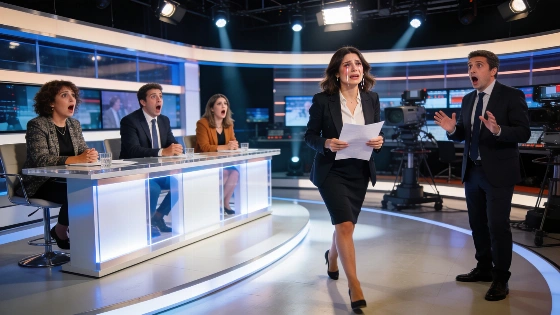
A heated exchange on 'Malas lenguas noche' led to Marta Gómez Montero leaving the set in tears. The incident unfolded during a live debate on Spanish work absences, sparking shock among colleagues.
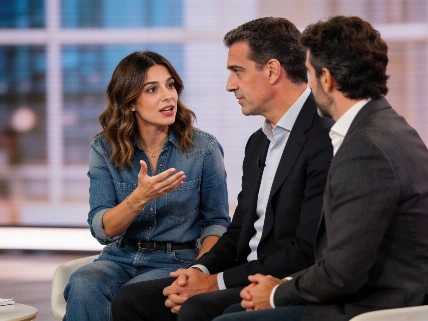
Saturday night's broadcast of 'Malas lenguas noche' on La 2 was abruptly disrupted when Marta Gómez Montero, a regular commentator, left the set visibly upset after a confrontation with presenter Jesús Cintora. The incident occurred during a live debate focused on recent remarks by Alberto Núñez Feijoó regarding workplace absenteeism and alleged unjustified sick leaves in Spain.
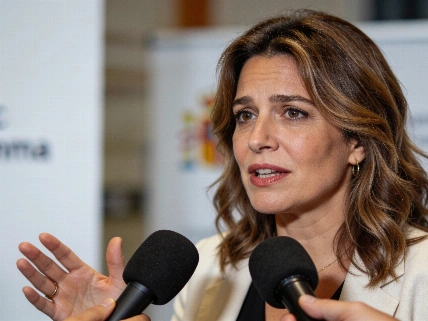
As the discussion intensified, Cintora invited Gómez Montero to share her perspective. Instead of responding to the topic, she declined to participate, stating she felt deeply humiliated by the presenter's previous conduct. Her emotional reaction escalated quickly, with Gómez Montero expressing that she had endured enough for the sake of her family and financial obligations, before breaking down in tears. She referenced the novel 'El coronel no tiene quien le escriba' to underscore her distress, declaring she would rather 'eat dirt' than continue under such circumstances.
The studio fell silent as Gómez Montero gathered her belongings and exited, removing her microphone. Cintora, caught off guard, addressed the audience, emphasizing that no one is humiliated on the program and noting that her departure was her own decision. He then attempted to resume the show, passing the discussion to Esther Palomera, who acknowledged the discomfort felt by everyone present.
Despite the tension, the program continued, though the atmosphere remained unsettled. Palomera and other panelists struggled to refocus on the debate, with attention lingering on the exit. Later in the broadcast, Cintora addressed the situation directly, explaining that he had only gestured for Gómez Montero to wait her turn, a standard request to maintain order during live discussions. He expressed regret if she felt mistreated and extended an open invitation for her to return to the show, stressing that such incidents are part of the unpredictability of live television.
This episode highlights the pressures and sensitivities inherent in live media, especially when debates touch on contentious social issues. The walkout comes at a time when Spanish television is under increased scrutiny for its handling of on-air conflicts and the well-being of its contributors. The incident also echoes broader conversations about workplace dynamics and respect in public forums. In recent weeks, other high-profile moments on Spanish television have drawn national attention, such as Infanta Sofía's first solo speech in Zaragoza, which addressed challenges in the education sector and can be revisited through this detailed report on her public debut.
Live television in Spain often serves as a mirror for societal tensions, with programs like 'Malas lenguas noche' providing a platform for heated debate on current affairs. The emotional departure of Gómez Montero may prompt further discussion about the boundaries of on-air discourse and the responsibilities of presenters and producers. As the industry continues to evolve, such incidents underscore the importance of maintaining professionalism and mutual respect, both on and off camera.