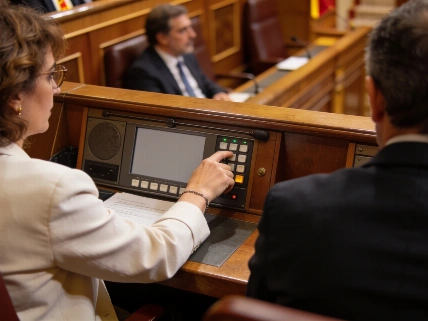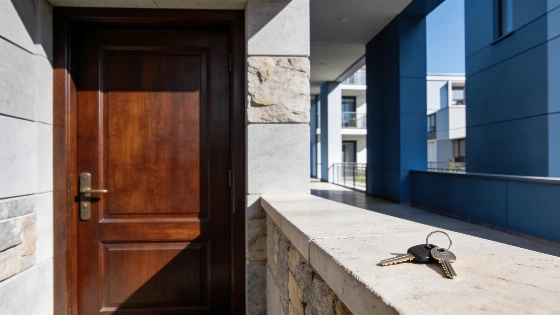
The PSOE's 114-page election programme promises to evict people from occupied homes within 48 hours. But when PP deputy Juan Bravo asked Housing Minister Isabel Rodríguez during a debate on Cadena SER whether she supported that pledge, she did not give a direct answer.
Rodríguez searched through her papers and stayed silent for several seconds, according to Libre Mercado's account of the exchange. She then said: «Le voy a contestar ahora. Quiero hablar también de okupación y desahucios».
The programme also promises that trials in dismissal and eviction cases will take no more than three months, alongside more judges and prosecutors. These are commitments in a party programme; the material does not establish that the proposed targets are in force.
During the debate, Rodríguez said evictions concerned her more than squatting. That distinction framed the disagreement: Bravo pressed her on the PSOE's proposed fast route to recover occupied homes, while the minister turned attention to protections for vulnerable tenants.
Parliamentary measures adopted in 2026 addressed a separate category: protections for vulnerable households facing eviction. On 12 November, the Congress of Deputies validated Royal Decree-Law 29/2026 by 35 votes to 34; it had been adopted on 6 October and concerns housing's social function and the expansion of affordable housing. Article 2 suspends certain evictions involving vulnerable people without alternative accommodation until 31 December 2030. In specified non-payment cases involving economically vulnerable tenants, the court procedure and, where applicable, the eviction may be suspended for up to two months. During that period, the competent administration must offer suitable alternative accommodation or pay or consign the arrears and legal costs. These safeguards apply to qualifying tenants and are distinct from procedures involving unlawful occupants.
In the same parliamentary session, the Congress rejected Royal Decree-Law 28/2026 by 34 votes to 35. The measure was due to enter into force on 15 November, but was repealed before that date. It would have strengthened the stability of habitual housing leases and required some landlords to pay compensation if they ended leases without then occupying the dwelling as permitted.
The confrontation followed an earlier struggle to explain government measures. At a September press conference after a Council of Ministers meeting, Rodríguez said she did not have the latest versions of two approved royal decrees in front of her. Asked about their contents, she said «Tengo un cacao» and added «Tengo que revisar la última versión que no la tengo aquí».
Political interviews have also put Pedro Sánchez on the spot over accountability: Susanna Griso pressed him on resignation in an earlier election interview.
The housing debate also turned to the estimated cost of squatting. A report by the Instituto Juan de Mariana, published on 17 November, puts the annual cost to Spaniards at €1.212 billion and the cumulative bill since Pedro Sánchez took office in June 2018 at €8.620 billion. Its authors, Diego Sánchez de la Cruz and Santiago Calvo López, estimate €741 million in lost rent and €189 million in recovery costs. They put damage at a further €189 million, utilities at €57 million and public spending at a minimum of €37 million. The report's central estimate is about €12,700 per occupied home each year.
Libre Mercado also argues that legal uncertainty affects neighbours and the rental market. It says some owners withdraw homes from the market, sell them or leave them empty rather than risk a court process that may take months.