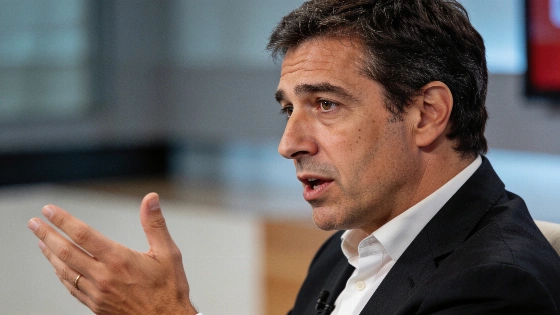
Gabriel Rufián defended tougher action against property speculation on Salvados. He also revealed that he owns half of a house where he does not live.
During an interview on Salvados, Gabriel Rufián defended tighter limits on property speculation and addressed his own home ownership. The ERC spokesman said he owns 50% of a house where he does not live.
He was asked whether he had a property rented out, as other Spanish politicians do. Rufián denied that. He said he shares ownership of the home with his ex-wife and argued that his position does not conflict with the measures he supports.
Rufián has argued that housing has become the issue capable of bringing down Spain’s left: in his view, other government achievements will not be enough if the housing crisis remains unresolved.
Rufián's argument is simple. Housing should not be a path to wealth without limits. He said owning a third property can already amount to speculation.
He supports price caps, higher taxes on empty homes and a higher tax rate on rental income from a third home. Rufián also said ERC housing proposals are already on the table but have been blocked.
The Catalan politician accused the PSOE of siding with large owners instead of vulnerable tenants. Europa Press reported that his criticism focused on that choice. He said the Government had repeatedly picked the interests of major property owners.
Rufián tied the housing shortage to empty homes held back from the market. In his view, that failure is hurting the left at the ballot box. He called the lack of solutions under Pedro Sánchez one of the Government's outstanding failures during eight years in office.
He has also warned that Sánchez could leave office because of what he called social cowardice. Housing has become a source of pressure inside the left-wing majority.
The dispute moved beyond television statements in early October. On 2 October, coverage of the housing-decree vote described Rufián’s attack on Junts for refusing to support measures aimed at tenants; he linked that refusal to real-estate interests.
Rufián used two figures from the programme to support his case. He said 60% of homes bought during the last year were paid for in cash. Only 14% were bought for people to live in.
Those figures point to a market where investment is taking priority over residence, according to his account. Spanish media reports of the appearance repeated the same figures.
The figures fit a dispute that has already shaped arguments over evictions and investment funds, as shown by an earlier housing report. Rufián's own declared property position gives that argument a personal edge. He says it does not contradict the restrictions he wants.
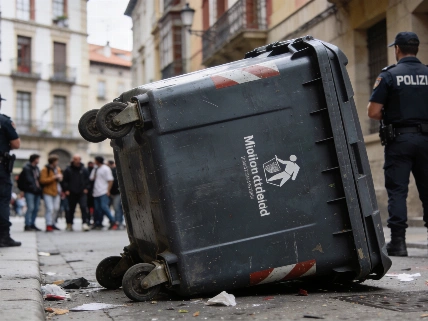
The appearance came shortly before protests over the housing crisis began after the eviction of Maricarmen. Five progressive people challenged Rufián through a false mirror during the programme. They also questioned him about a united left, the rise of the far right, immigration, the Ceuta crisis and corruption.
The housing dispute moved from television to Congress on 2 October. Rufián attacked Junts for refusing to support measures aimed at tenants and linked that refusal to real-estate interests. He said the Government's housing decree included some ERC demands but was still not enough. He also said he would examine the package down to the last comma.
Rufián was not presenting a new law as an accomplished measure. He was defending proposals he said had been rejected while calling for tougher treatment of funds and large property owners.
His admission makes the argument more personal. It does not settle the political dispute. Rufián wants ownership beyond a second home to face higher costs or restrictions when it feeds speculation.
For people facing high rents and blocked access to ownership, his message is direct. The fight is not only about the number of homes available. It is also about who controls them.