A new heatwave will bring Saharan dust and trigger muddy rains in Spain. Calima will affect much of the country, especially the Mediterranean, south, and center. Storms may intensify the impact in several regions.
Spain faces a new weather challenge this week as a surge of Saharan dust, known locally as calima, is set to blanket large parts of the country. The phenomenon, driven by a DANA (isolated high-altitude depression) positioned to the west of the peninsula, will coincide with a fresh heatwave starting Tuesday. This combination is expected to cause widespread muddy rains, particularly in the Mediterranean and southern regions.
According to forecasts, the calima will intensify from Tuesday through Thursday, spreading across the Mediterranean coast, the Balearic Islands, the south and center of the peninsula, and the Canary Islands. Residents in Catalonia, Comunidad Valenciana, Baleares, Murcia, eastern Castilla-La Mancha, Andalucía, Aragón, and Madrid will notice increasingly hazy skies. The dust may even reach northern interior provinces such as Navarra, Castilla y León, and La Rioja before a cooler air mass from the north begins to clear the atmosphere from Friday onward.
Storm activity is expected to develop each afternoon through Wednesday, especially in the eastern interior. The interaction between these storms and the suspended Saharan dust will likely result in muddy rainfall—sometimes referred to as "blood rain"—across the interior of Catalonia, Comunidad Valenciana, Murcia, eastern Andalucía, and Castilla-La Mancha. By Thursday, storm intensity should decrease, but the risk of muddy precipitation will persist until the calima retreats.
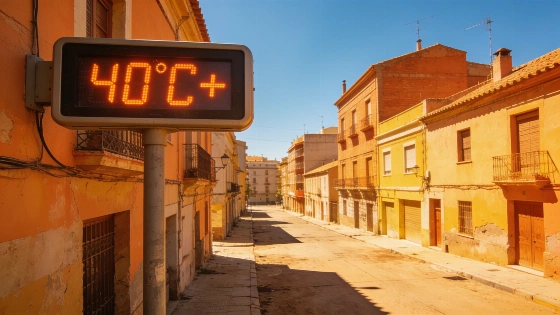
This episode follows a period of extreme heat that has already affected Spain, with authorities previously warning of record-breaking temperatures and heightened risks for vulnerable groups. For context, recent alerts highlighted the potential for temperatures to reach 44°C in the south, as detailed in recent coverage of the ongoing heatwave. The current forecast underscores the complex interplay between heat, dust, and storms that can disrupt daily life, impact air quality, and complicate travel across affected regions.
Calima events are not uncommon in Spain, especially during the summer months when southerly winds transport dust from North Africa. These episodes can reduce visibility, worsen respiratory conditions, and leave a layer of reddish mud on cars, buildings, and streets after rainfall. The phenomenon is particularly disruptive in the Mediterranean basin, where the combination of heat, humidity, and dust can create challenging conditions for residents and tourists alike. Authorities typically advise limiting outdoor activity during peak calima and ensuring proper ventilation indoors. As the week progresses, attention will turn to how quickly the incoming cooler air can disperse the dust and restore clearer skies across the country.