The housing decrees have been rejected in Congress. Sánchez could call an early election for 29 November if he announces it on 5 October.
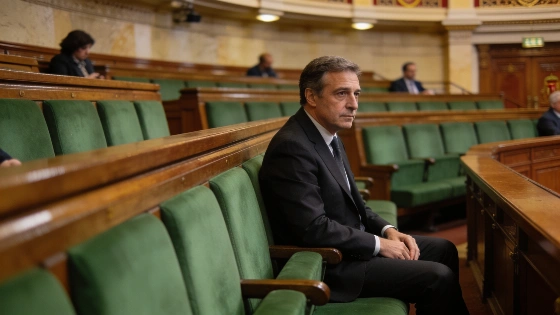
On Friday 2 October, Junts voted against both housing decrees in Congress. Sánchez must now decide whether to call an early election on Monday 5 October. If he does, Spain would vote on Sunday 29 November. The date is not fixed. The prime minister can still keep the government in place and try to run out the legislature until summer 2027. Politico had already named 29 November as the likeliest date in an early-election scenario, but that remains conditional on a formal decision by Moncloa.
Junts' decision was the immediate cause of the defeat. Hours before the session began, the government warned that such an outcome could lead to an early election. That warning now shapes Moncloa's central political calculation. Reuters and AP describe the vote as another sign of the government's weak parliamentary position and its dependence on Junts.
The two housing decrees were defeated after Junts voted against them alongside the opposition Popular Party and Vox, according to AP’s account of the 2 October vote.
The government says the defeat lets it present the Executive as an administration trying to pass policies for citizens while facing what its sources call systematic obstruction. Those sources also say public anger is on the government's side. That is the case for an election.
The Housing Ministry rejected Junts' warning that the measures would hurt the housing market or inheritances. It said the decrees did not reduce supply. The ministry also said they included the changes requested by the party.
The calendar is tight.
If Sánchez chooses an early election, the Council of Ministers would sign the decree on 5 October. The measure would then appear in the Boletín Oficial del Estado on Tuesday. From publication, the Ley Orgánica 5/1985, de 19 de junio, del Régimen Electoral General provides 54 days before polling day. On that timetable, Spain would vote on 29 November.
Protests over the housing crisis took place in Madrid as Congress considered the emergency measures. Euronews and WTOP, in an AP-related report, presented the demonstrations as part of the wider political pressure surrounding the parliamentary vote.
The process would then follow a set sequence. Political candidacies would be submitted between 21 and 26 October. The electoral campaign would start on Friday 13 November and run for 15 days. Saturday 28 November would be the day of reflection. Voters would go to the polls the next day.
This timetable is not a confirmed election announcement. The same distinction appears in other national planning stories, such as the forecasted weather shift: a possible date can be calculated before the event is certain. Here, the decisive steps are Sánchez's signature and the later publication of the decree.
The rejected measures do more than end a parliamentary vote. They force Sánchez to choose between governing under the current conditions and turning the defeat into an appeal to voters. The first option keeps the existing route towards summer 2027. The second starts a precise 54-day countdown.
The defeat does not trigger an election automatically. Sánchez has a legal route to a 29 November vote, but he is not required to take it. Moncloa can argue that Parliament is blocking the government. The result also shows the cost of governing without dependable support. The next decision matters more than the failed decrees. It will decide whether the housing defeat becomes a short legislative setback or the opening move of a general election campaign.