Sánchez Maintains Course for Cooperation with the Vatican Despite Pressure Over Zapatero. The Prime Minister of Spain has traveled to Rome for talks with Pope Leon XIV and a speech at the FAO. Authorities are seeking to maintain control amid an investigation involving Zapatero and calls for early elections.
Spanish Prime Minister Pedro Sánchez has begun a two-day visit to Rome, where he is scheduled to hold talks with Pope Leon XIV and deliver a speech at FAO headquarters on the fight against hunger. The trip comes amid intense political pressure: the investigation into the Zapatero case and the publication of inquiry materials have led PNV, Coalición Canaria, and former Prime Minister Felipe González to call for early elections. Despite this, Sánchez is not adjusting his international agenda and emphasizes that he continues working as usual.
The government admits that the situation surrounding Zapatero has dealt a serious blow to the Socialists. At La Moncloa, officials note they do not have confidential information regarding the investigation and are forced to react to events as they unfold. Nevertheless, Sánchez's team continues to support the former prime minister, stressing the absence of direct evidence linking him to corruption schemes. Authorities fear losing control of the political agenda as the opposition actively uses the situation to put pressure on the cabinet.
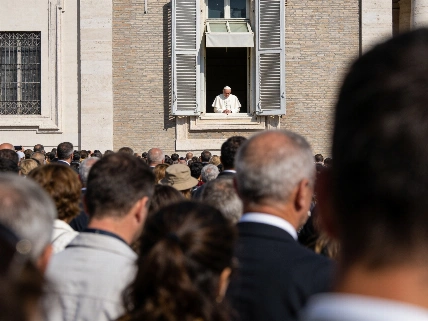
Key topics of Sánchez's visit to Italy include strengthening Spain's international image and establishing dialogue with the Vatican. A meeting with Pope Leo XIV is scheduled for Wednesday and will focus on migration issues and the regulation of artificial intelligence. The government expects that the Vatican's support for migrant legalization will help strengthen Spain's position, especially ahead of the pontiff's visit to the Canary Islands, where illegal migration is a particularly pressing concern. In this context, the authorities believe the opposition will find themselves in a difficult position if the pope publicly supports migrants within the country.
Another area of cooperation with the Vatican is the regulation of artificial intelligence. On Tuesday, Pope Leo XIV published his first encyclical dedicated to this topic, and the Spanish Council of Ministers approved the Digital Governance Law. The government emphasizes that both sides share the same position on AI risks and ethics, hoping to use this alignment to strengthen contacts with the Vatican. In addition, issues of international security, the situation in the Middle East, and the fight against inequality are also being discussed.
Despite efforts to maintain the usual work rhythm, La Moncloa openly admits that the Zapatero case fully dominates the news agenda. Sánchez continues to implement previously planned initiatives, including preparations for the NATO summit in Ankara in July, but acknowledges that public and media attention is focused on the investigation. As russpain.com notes, international bodies are already involved in the Zapatero investigation, and staff of the US embassy have provided key materials to Spanish investigators.
For reference: FAO is a specialized UN agency for food and agriculture with its headquarters in Rome. The Vatican has traditionally played a significant role in migration and social policy issues in Europe. In Spain, the topics of migrant legalization and artificial intelligence regulation remain among the most discussed in 2026. The domestic political crisis around Zapatero may affect coalition stability and the timing of the next elections; however, at present, the government does not plan to change the parliamentary schedule.