Spain’s Congress rejected two government housing decrees. Sánchez must now decide whether to call an early election as protests over rents and evictions spread beyond Madrid.
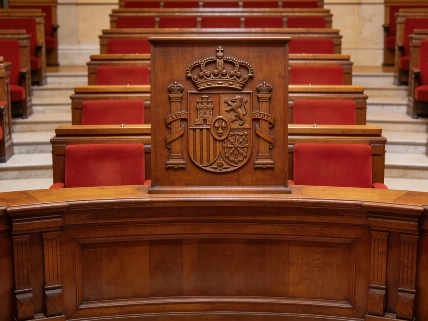
Spain’s Congress rejected two housing decrees on 2 October 2026, leaving the coalition without measures it had presented as an urgent response to the housing crisis. The first failed 178 to 172; the second lost 184 to 166 in the 350-seat chamber.
Moncloa sources said Pedro Sánchez would spend the weekend deciding whether to call voters to the polls. If he does, 29 November would be the first Sunday allowed by electoral law. BBC and the Associated Press reported that the votes immediately revived talk of bringing the election forward from 2027.
Both decrees fell after months of negotiations and a final appeal from Housing Minister Isabel Rodríguez. Partido Popular, Vox and Junts per Catalunya voted against them.
Junts had asked the government to withdraw the decrees, but it went ahead. Rodríguez said roughly 90% of Junts’ proposals had been included and urged the Catalan party to abstain at minimum.
Míriam Nogueras rejected the request and submitted a 59-page alternative package for further negotiations behind closed doors.
The vote also made housing a bigger part of the election calculation described in an earlier report. The ordinary electoral timetable runs to 2027, but pressure for an earlier vote had already grown among PSOE figures before the sitting began.
The first decree brought together the basic elements of the government’s plan. It would have extended protection against evictions until 2030 and set rules for seasonal and room rentals. It also would have restricted certain purchases by investment funds and large operators until 2028, while allowing extraordinary extensions for some rental contracts.
The second decree focused mainly on automatic renewal of rental agreements. It aimed to prevent some tenants from losing protection when their contracts expired.
Junts’ alternative package proposed negotiated rental extensions and tax changes, along with protections for mortgage debtors. It also called for temporary limits on purchases by financial institutions, investment funds and major landlords.
The package also sought to suspend certain evictions promoted by large operators until the end of 2028. It included protections for vulnerable people facing eviction, as well as state guarantees to expand social or affordable housing.
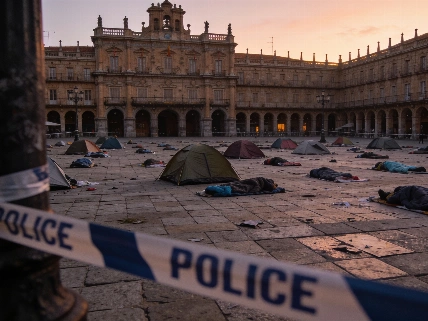
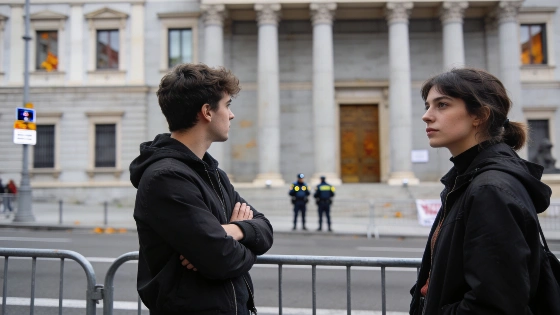
Outside Congress, the political defeat was already visible on the streets. Hundreds of activists marched in Madrid and called for a general strike. The camp at Puerta del Sol entered its seventh day, with organisers saying they would stay until a solution to the housing crisis was found.
They also called demonstrations in around 50 cities for Saturday 3 October. Al Jazeera reported protests linked to the parliamentary vote, reflecting wider anger over rents and evictions, as well as access to affordable homes.
The immediate trigger was the case of Maricarmen Abascal. The 87-year-old woman was evicted on 23 September from the Retiro flat where she had lived for more than seven decades.
She returned after Madrid City Council mediated an agreement with the property company. Tenant organisations said the mobilisation reflected years of higher rents and limited access to housing, with residents displaced from some neighbourhoods.
The failed decrees will not ease those pressures. They would have offered temporary protections and new limits, but remained proposals, not a settled answer to the shortage and cost of housing.
Junts, PP and Vox rejected the measures for different reasons. ERC, EH Bildu, PNV, Podemos and Coalición Canaria urged Junts to reconsider its position.
Sánchez now has two clear options: seek another legislative route or turn the defeat into an electoral test. The government failed to pass its housing response, handing the opposition a parliamentary victory and leaving tenants without the new protections proposed in the decrees.