More than 1,600 students in Jaén lost access to school buses after failed contracts. The regional government urges parents to use private cars or taxis. Families and transport companies reject the solution, demanding urgent action.
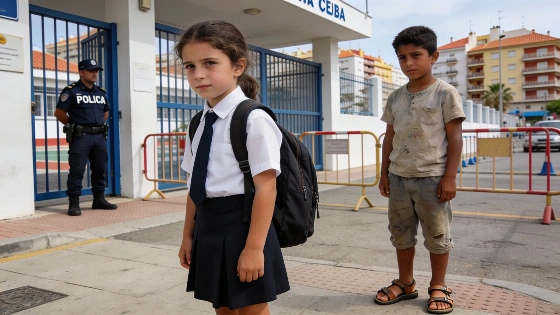
Families across Jaén province are facing a sudden crisis: more than 1,600 children have lost their school bus service, leaving many rural students without a way to reach class. The Junta de Andalucía has told parents to drive their children themselves or pay for taxis, a move that has sparked anger and widespread refusal from families who say the plan is unworkable and unfair.
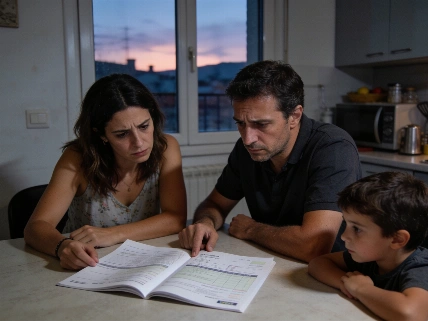
The problem is especially severe in the Sierra de Segura, where 52 routes in 32 towns have been suspended. Parents like Mari Carmen Palazón, whose daughter Andrea was supposed to start Bachillerato in Beas de Segura, are refusing to comply. "We both work and cannot drive her every day. I will not take responsibility for transporting other children in my car," she says, echoing the frustration of many families who see the government's proposal as a violation of their rights.
According to Europa Press, 56 school bus routes in Jaén province were suspended, directly affecting 15 primary schools and 26 secondary schools (IES).
The crisis began after six failed contract tenders between the Junta and bus companies. Operators have pulled out, saying the contracts force them to run at a loss. Raúl Gil, president of Unibus Jaén, points to years of underfunding and rising costs, especially for routes through mountain areas. "We have been losing money for years. The contracts do not reflect the real cost of fuel or maintenance," he says, rejecting the idea that the problem is unique to Jaén's geography.
In response, the Junta has offered grants between €1,875 and €5,750 per student, depending on distance, to help families pay for private transport. The measure, which will cost €4.5 million, is described as temporary. For many, it is no solution at all. Belén Navarro, head of the Los Olivos parents' federation, says the fallout goes beyond inconvenience: "Families cannot be expected to solve a problem that belongs to the regional administration. This affects work-life balance, family budgets, and daily routines."
The most affected areas include Sierra de Segura, Cazorla, Condado, and Mágina, with towns such as Beas de Segura, Huelma, Orcera, Siles, Puente de Génave, Villanueva del Arzobispo, and Torredonjimeno experiencing a complete halt in school bus services. According to Cadena SER, this is not the first year such disruptions have occurred, as similar issues with failed tenders and lack of transport have been reported in previous school years.
The government says that 112 of Jaén's 168 school bus routes are still running, serving over 2,000 students. But the scale of the current disruption is unprecedented in Andalucía. Of the 1,618 affected, 220 are in Infantil and Primaria, with the rest in secondary and Bachillerato. The Junta's own figures show that nearly 95,500 students across Andalucía receive free school transport, with Jaén now standing out as the exception.
Political criticism has followed quickly. Socialist MP Ángeles Díaz accuses the Junta of chronic mismanagement, recalling similar failures last year and calling for the resignation of the provincial education delegate. She says the lack of planning has left rural communities isolated and families scrambling for alternatives. In towns from Sierra de Segura to Sierra Sur, parents like Julián Rosal insist that school transport is not a privilege but a basic right for rural children.
The standoff in Jaén is not the only recent example of public service breakdown in Spain. As reported earlier, similar tensions have appeared in other sectors, with authorities offering temporary fixes that shift responsibility onto families or workers. When public contracts fail, it is ordinary people who pay the price.
This episode highlights a deeper problem in how essential services are managed in Spain's rural provinces. The Junta's last-minute solutions and financial compensation do not change the fact that hundreds of children are being denied equal access to education. Until the administration addresses the real costs of rural transport and negotiates workable contracts, families in Jaén will remain stranded—both on the road and in the system.