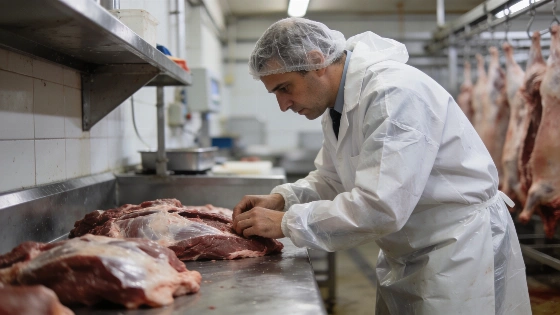
Under the Junta’s new protocol, livestock owners can choose the veterinarian who carries out animal-health campaigns. Sivecal says that arrangement could leave professionals financially dependent on the farmers whose herds they are meant to inspect. The regional government has described a model under which habilitated veterinarians can carry out certain technical and material actions in animal-health and wildlife programmes, while official veterinary services retain direction and oversight.
The union argues that this relationship could undermine the impartiality required for official controls. Article 30(b) of Regulation (EU) 2017/625 requires people delegated to perform these functions to act impartially and remain free of conflicts of interest, Sivecal says.
In the union’s view, training and later administrative supervision would not remove the risk posed by a financial contract with the livestock owner. Its concern is the independence of delegated controls. A separate regulatory debate over shipping and fuel duties is covered in Spain’s emissions-market reform.
Sivecal warns that the change could affect tuberculosis surveillance and eradication programmes in Castilla y León. It also raises concerns about farm viability and public health. These are risks flagged by the union, not confirmed outcomes. The regional government’s animal-health programmes cover more than tuberculosis. On 24 November 2022, the Council of Government authorized a contract worth €8,981,588 for 2023 work on surveillance, prevention, control and eradication, including bovine tuberculosis and brucellosis in cattle and goats.
The organisation credits technicians at the regional department and farmers’ efforts with helping achieve high health-classification standards. It says the technical and financial resources needed to maintain those results should remain in place. The Junta has presented the habilitated-veterinarian model as a way to bring veterinary care closer to farms and strengthen response capacity. Its approach centres on prevention, with epidemiological surveillance and biosecurity guided by scientific rigour.
Sivecal has requested an urgent meeting with Agriculture, Livestock, Rural Development and Environmental Policy Minister Joaquín Antonio Pino to present its objections and offer help improving public veterinary services. The Junta also presented the protocol at a meeting attended by Pino, the president of Spain’s Organización Colegial Veterinaria and the presidents of Castilla y León’s official veterinary colleges. Participants discussed disease prevention and epidemiological surveillance, with rural veterinary care also on the agenda.