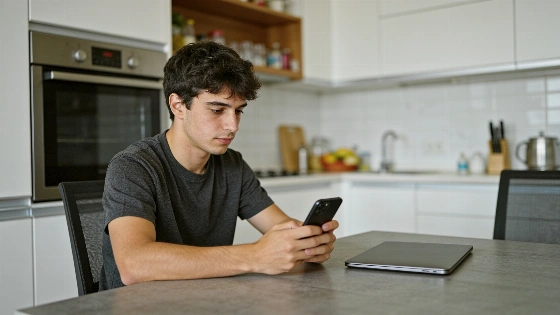
A Kaspersky survey finds that 58% of users now rely on smartphones as their primary way to access the internet, with Generation Z leading the change. The growing amount of sensitive data stored on mobile devices is raising new concerns about digital security.
For millions of people, the smartphone has quietly replaced the computer as the main gateway to the internet. According to a recent Kaspersky study, 58% of respondents across 18 countries—including Spain—now consider their mobile phone their primary device for going online. Among those aged 18 to 28, the figure rises to 67%, highlighting a clear generational divide in digital habits.
The research, conducted in March 2026 with 7,200 participants, points to a global trend: the computer is no longer the default tool for everyday digital life. While PCs remain essential for tasks that demand large screens, specialized software, or intensive file management, the smartphone has become the go-to device for browsing, messaging, banking, entertainment, and even some professional activities. This shift is especially pronounced among younger users, who increasingly rely on their phones for both personal and work-related needs.
Generation Z Drives the Shift
The data reveals a striking age gap. Two-thirds of Generation Z respondents now prefer their smartphone for internet access, integrating it into nearly every aspect of daily life. The device is used not only for communication and leisure, but also for managing finances and handling work tasks. This evolution coincides with a rising demand for IT-related skills and training, as digital fluency becomes more critical in the job market.
However, the rise of the smartphone does not mean the end of the computer. The survey measures preference, not exclusivity. Many users still turn to PCs for activities that require more power or precision, such as professional software or complex document handling. The findings reflect a shift in priorities, not a total replacement.
Mobile Devices Store More Sensitive Data
As smartphones become the center of digital life, the amount of sensitive information stored on them is growing rapidly. Nearly two-thirds of users keep photos and videos on their phones, 55% store contacts, 46% save chat histories, and 41% retain important personal documents—including passports and IDs. The concentration of such data on a single device increases the stakes in case of loss or theft.
The line between personal and professional use is also blurring. Around 54% of respondents store work-related information—such as emails, calendars, or corporate access credentials—on their phones. About a third keep financial logins, while a quarter save AI chat histories and 24% store gaming accounts. This accumulation of data underscores the growing importance of cybersecurity skills, both at work and at home.
Security Concerns Rise with Data Volume
Kaspersky warns that the surge in sensitive data is not always matched by improved security habits. The company recommends that users avoid relying solely on their phone to store critical information, enable automatic backups, and use strong protections for credentials and documents. Suggested measures include setting up automatic locking and activating remote location or wipe features in case the device is lost.
Spain's National Cybersecurity Institute (INCIBE) echoes these recommendations, advising users to keep operating systems updated, install security patches promptly, and perform regular backups. Strengthening authentication and managing passwords securely are also key steps. Monitoring device functions and connections, as well as keeping software current, helps reduce vulnerabilities.
Smartphone Gains, But Computers Remain Relevant
The survey paints a picture of changing priorities rather than a complete technological handover. Smartphones now accompany users throughout the day, offering instant access to apps and services. Their convenience makes them the first choice for many digital activities, but this also means that a single device now holds a vast amount of personal, professional, and financial information. The risks associated with loss, theft, or unauthorized access are therefore higher than ever.
It is important to interpret the 58% figure in context. The study measures which device people consider their main access point to the internet, not sales figures or household ownership rates. It does not predict the disappearance of the computer, but it does confirm the rapid rise of the smartphone—especially among younger generations—and the urgent need to better protect the data stored on these devices.