As Spain heads toward early general elections on 29 November, political divisions run deep. Pedro Sánchez’s resilience, the right’s dependence on Vox, and the left’s internal battles leave voters questioning who truly represents their interests.
Spain’s voters will head back to the polls on 29 November. Few expect a fresh start. Most feel worn down. The country is stuck between old promises and new doubts. Political lines have hardened. Many see politicians drifting further from daily life.
Pedro Sánchez dissolved the Cortes. That move triggered early general elections for 29 November 2026. The royal decree appeared in the official state gazette. Campaigning will run from 13 to 27 November. The rules are strict. Government officials say the snap call comes as tensions spike and parliament remains deadlocked.
Recent polling averages for September show the Partido Popular (PP) at 31.6%, PSOE at 25.9%, and Vox at 18.4%—the lowest for the Socialists this term and the highest for Vox since February.
Sánchez has survived where others would have fallen. He has faced down rivals inside his own party. He has outlasted shaky coalitions and endless predictions of defeat. But just hanging on is not a plan. The left often cheers Sánchez’s grit instead of offering a real vision. Voters see a government that warns them about the other side, but rarely spells out what comes next. Owning up to mistakes could help. It might even rebuild some trust.
Alberto Núñez Feijóo now stands at a turning point. He has a shot at power. But beating Sánchez is not enough. Spain needs more than a government that only points to the past. Feijóo must show what kind of Spain he wants. He must say what deals he will make to get there. The right’s tie to Vox is no longer a side note. It is a test of what matters. Needing Vox is not just about numbers. It is about values. The real question: how far will the right go to rule? SocioMétrica and other studies say PP and Vox together could win 205 seats. That’s well above the 176 needed for a majority.
Vox knows how to stir emotions. It keeps hot topics—immigration, identity, security—front and center. This works, until it doesn’t. Proposals like privatizing pensions or cutting travel for pensioners hit a nerve. Millions notice. The left’s outrage at Vox’s tactics has changed little. People with real worries—jobs, pensions, rent, their kids’ future—don’t want lectures. They want answers. EM-Analytics and Ateneo del Dato analysts say Vox’s support is at its highest in months. The mood is shifting.
Despite the apparent lead for the Partido Popular, Spain’s electoral system means that final seat distribution depends heavily on provincial results and the performance of smaller parties. Multiple polling models, such as those from EM-Analytics and Ateneo del Dato, show PP polling between 31.3% and 33.2%, but warn that coalition-building—especially with Vox—remains a critical challenge.
The left keeps tripping itself up. It splits, reunites, and splits again. Names and faces change. Priorities rarely do. Endless fights over who is the “real” progressive leave many cold. While leaders argue over lists, old supporters walk away. Politics is not about being pure. It is about fixing things. When the tool breaks, you fix it. You don’t hold another meeting about the hammer.
Spain’s biggest failure? Turning rivals into enemies. Debate has become personal. The other side is not just wrong. They are bad. Right-wing voters get called reactionary. Left-wing voters get called radical. Vox supporters get called fascist. Abstainers get called irresponsible. This poisons democracy. Democracy needs rivals who are still neighbors, not enemies to destroy.
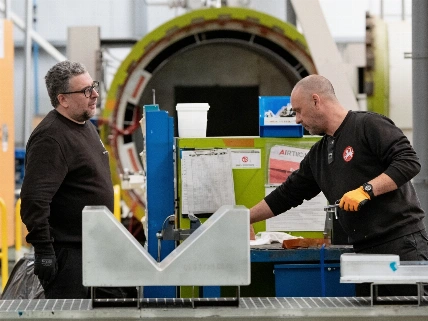
While politicians rehearse, real life goes on elsewhere. It’s in small towns, crowded clinics, family shops, universities, and factories. It’s in homes where rent is a monthly worry. It’s in families who count every euro before turning on the heat. Young people have degrees but no way to move out. Rural areas watch services disappear. For these people, TV debates mean nothing. Survival comes first.
Maybe 29N is not just about picking a government. Maybe it’s a reminder. Power is borrowed, not owned. Some leaders act like winning means they can ignore everyone else. Some in opposition want to tear it all down. Democracy means you govern if you win, you hold others to account if you lose, and you know you could switch sides tomorrow.
The center-left draws a line between social and regressive policies. But the left should not invent enemies to justify itself. It should govern for public services. It should talk about equality without mocking merit. It should defend workers and remember small business. It should protect immigrants and still face the real problems of migration. It should be able to say to a conservative: I disagree, but I want to govern for you too. That’s real politics.
No one will save Spain on 29 November. Not Sánchez. Not Feijóo. Not Vox. Not the alternative left. Not the nationalist minorities. Not even the voters, if they treat every election as the last chance. Spain does not need heroes. It needs working institutions, honest politicians, skilled managers, sharp opposition, tough journalists, and citizens who think for themselves. As reported earlier, even small policy debates can show deeper cracks in trust and representation.
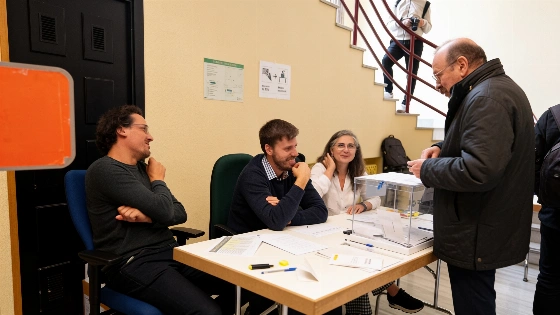
On 29N, people may vote out of fear, anger, habit, or protest. The hardest vote is the one cast for the day after. When the campaign noise stops, Spain remains. Its towns, cities, workers, job seekers, young, old, and all their ideas. The real test is what the winners do next. This is not just a fight between blocs. It is a choice about what Spain becomes. A country where housing is a right. Where growth means everyone gets a shot. Where public services don’t depend on your postcode. Where city and countryside are not worlds apart. Where being Spanish does not mean picking between identity and pluralism. Where winning does not mean half the country loses.
Spain’s future is not about beating an enemy. It is about building a democracy where compromise is not shameful. Where the left can admit mistakes. Where the right does not need to exaggerate them. After years of trench warfare, Spain needs something else. Not another win. A return to responsibility. A politics that serves the people who lend their power to those in office.