Spain’s traffic authority prepares for over 104 million summer journeys. New rules require V-16 beacons in all vehicles. A dedicated hotline for road accident victims is now active. Special measures target the August solar eclipse.
Spain’s Dirección General de Tráfico (DGT) is rolling out its most extensive summer traffic operation to date, aiming to manage more than 104 million long-distance road journeys between July and August 2026. This year’s campaign introduces mandatory V-16 emergency beacons in all vehicles and launches a new national hotline for road accident victims, reflecting a sharp focus on safety as travel volumes hit new highs.
The first phase of the operation begins Friday, July 3, at 15:00, and runs through Sunday night, with nearly 4.8 million trips expected in just three days. The DGT anticipates 49.7 million journeys in July and 54.5 million in August, a 3.7% increase over last year’s record-breaking figures. Traffic peaks are forecast for weekends and the start of each month, prompting authorities to reinforce controls and deploy special measures to reduce accidents during these high-risk periods.
Four major traffic operations will structure the summer: the initial July weekend, the August 1st exodus, the August 15th holiday, and the end-of-summer return. Each phase is designed to address the unique challenges of mass departures and returns, with particular attention to routes leading from major cities to tourist destinations and second homes. Sunday evenings are expected to see the heaviest congestion as travelers head back to urban centers.
This summer, the DGT is also preparing for an extraordinary event: the total solar eclipse on August 12. The eclipse’s path of totality will cross regions including Galicia, Asturias, Cantabria, Basque Country, Navarra, La Rioja, Castilla y León, Madrid, Castilla-La Mancha, Aragón, Catalonia, Valencia, and the Balearic Islands. Anticipating large crowds and heavy traffic in observation zones, the DGT will announce targeted mobility and safety measures in the coming weeks.
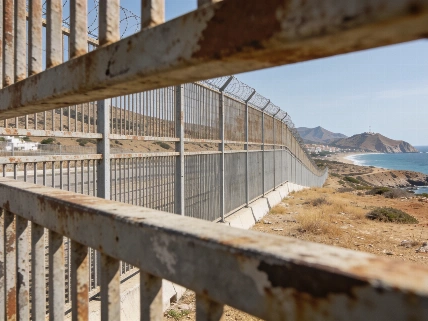
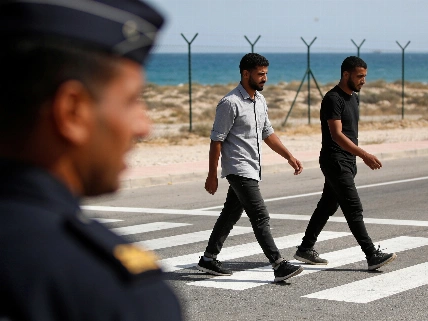
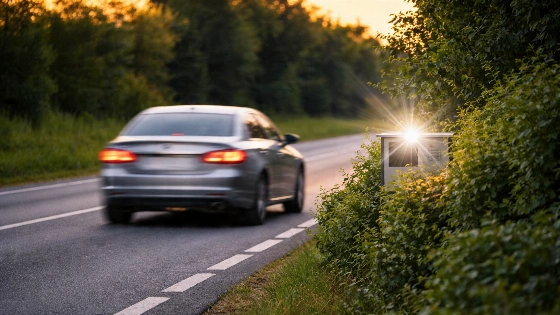
International transit will further complicate the summer picture. The annual Operación Paso del Estrecho expects 3.5 million people and 800,000 vehicles to cross Spain en route to North Africa, while the Paso de Portugal will see intensified controls on border routes for an estimated 270,000 vehicles. The DGT, in coordination with over 20 agencies, will deploy more than 31,500 personnel, maintain 2,400 variable message panels, and monitor traffic with 2,000 cameras to ensure smooth passage and rapid response to incidents.
Enforcement will be stepped up across the board. Weekend motorcycle patrols will focus on speed, helmet use, and risky maneuvers. From July 13 to 19, police will intensify alcohol and drug checks, followed by a speed control campaign from August 17 to 23. Speeding remains a factor in over 20% of fatal crashes, underscoring the need for these targeted efforts. For context, Spain has recently tightened road safety rules for cyclists and drivers, as detailed in this related report.
A key innovation this year is the compulsory use of the V-16 beacon for all roadside emergencies. Since January, drivers must use this device to signal incidents, both physically with a flashing light and digitally via connected navigation systems and roadside panels. The DGT’s 3.0 platform now receives real-time data on incidents, with monthly reports jumping from 8,600 in 2025 to over 69,000 today, enabling faster interventions and improved safety management.
Another major addition is the 018 hotline, available since April, offering confidential support in over 50 languages to anyone affected by a road accident in Spain. The service operates daily from 8:00 to 21:00, providing psychological, legal, and medical guidance, and is accessible by phone, email, or the DGT website. It is not an emergency line, but a resource for post-incident support and information.
Summer traffic in Spain is marked by a surge in long-distance travel, especially on weekends and around mid-month or holiday periods. This leads to heavy flows on routes connecting cities to coastal and tourist areas, with frequent Sunday night bottlenecks. Increased nighttime driving, more cyclists and pedestrians on secondary roads, and a rise in sporting events add to the complexity. Conversely, rush hour congestion in major cities tends to ease during these months.
To minimize risks, the DGT urges drivers to plan routes carefully, stay informed about road conditions, and follow all safety regulations. Real-time updates are available via social media, radio, TV, and the 011 information line. Full details on the summer operation and travel advice can be found at dgt.es.
Spain’s approach to summer road safety reflects broader European trends, with authorities leveraging technology, targeted enforcement, and public information campaigns to address the challenges of mass mobility. The combination of new rules, advanced monitoring, and expanded support services aims to keep the country’s roads safer during the busiest travel season of the year.