Spain’s pharmaceutical leaders are urging a shift toward strategic autonomy in medicine manufacturing. At a key Madrid symposium, industry voices outlined how innovation, public policy, and cross-border alliances could protect Europe from future supply shocks.
Spain’s pharma industry is sounding the alarm. Supply chains for medicines in Europe are still shaky. At the VII Simposio del Observatorio de la Sanidad in Madrid, top executives said Europe can’t risk another round of shortages like those seen during the last pandemic. The European Medicines Agency says the EU is now rolling out new pharmaceutical laws and the Critical Medicines Act. These aim to keep vital medicines available and stable across all member states. The focus is on stopping shortages and pushing for new antibiotics. This is a move from slogans to real rules.
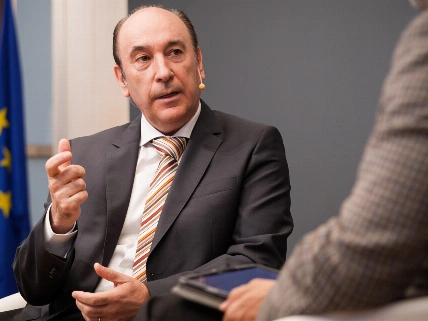
Javier Urzay, subdirector general of FarmaIndustria, put it plainly: “When we talk about strategic autonomy, we’re not just talking about producing critical or strategic medicines, but also about the capacity to generate innovation.” Spain has 180 pharmaceutical plants. That’s a strong base for building up reserves and boosting industry. But Urzay says public policy must lead the way. The EU now wants to spread out its sources, make more critical medicines and ingredients at home, and force companies to warn early about supply problems. These steps are part of the latest EU policy changes.
A recent shortage of the hormone therapy Lenzetto in Spain has affected nearly 400,000 women, with supply normalization not expected before 2027.
Artificial intelligence is already changing how shortages are managed. But Manuel Ventosa of Fenin warned against thinking Spain can go it alone. “The strategic advantage is not about making everything for our own consumption in Spain, but about working at the European level,” he said. Ventosa wants a long-term, stable plan to raise productivity and give the sector some certainty. This matches the EU’s idea of "open strategic autonomy." Official EU statements say the goal isn’t total self-reliance. Instead, it’s about cutting risk by using more suppliers, keeping stock, and spotting shortages early.
Innovation is still slow to reach patients. Ventosa called out Spain’s sluggish adoption. He says the way medicines are bought should reward real value and impact. “Innovation must reach the patient, and in Spain it does so very slowly. This is where we need to work,” he said. The new European pharmaceutical reform tries to fix this. It speeds up access, tightens shortage checks, and lets generics and biosimilars enter sooner. The European Medicines Agency has highlighted these changes in recent reports.
Vaccine supply is still fragile. Juan Manuel Montoro, Moderna’s director for Spain and Portugal, said vaccines are especially at risk for disruptions. He drew a line between strategic autonomy and total self-sufficiency. No country can control every step or all raw materials. Montoro backs “open strategic autonomy.” He pointed to Moderna’s partnership with Rovi during the pandemic as a safety net. Alliances matter.
The EU’s new SoHO regulation targets improved access and safety for plasma and human-derived medicines, with a transition period for national implementation until August 2027. Current plasma shortages are already linked to delays or cancellations of vital infusions.
Montoro also said countries with strong production networks attract more global investment. Urzay agreed. He thinks Spain can copy successful European models to get ahead. He says the next government must figure out how to build and run medicine reserves. That could mean new rules for public procurement.
Costs are rising. Ventosa told the government to link fixed medicine prices to global cost hikes. He warned that constant political changes wreck long-term plans. “Every time the political sign changes, our plans change. It’s important to look at the long term,” he said.
New vaccine tech is helping bypass old bottlenecks. Montoro says these advances give more freedom in a tense world. They cut the risk of shortages when emergencies hit. “We must approach these new technologies to avoid problems in reserves,” he said.
But can Spain build a real reserve with current public funding? Urzay compared the cost to insurance. “You don’t pay for the product, you pay a kind of rent for the space, which is a lower price. There are solutions, and I think costs must be weighed against benefits.” He says a clear contract that spells out everyone’s rights and duties matters more than the money.
Spain’s push for strategic autonomy in pharma fits a bigger European trend. As reported earlier, big manufacturers are also investing in local production to protect supply chains and jobs. The question now is whether Spain can use its industry and new policies to become a real hub for European medicine making.
This isn’t about going it alone. Spain wants resilience through innovation, partnerships, and smart rules. The country’s factories give it a real shot at leading in medicine production—if it can match public investment, stable rules, and new tech. The next government faces a clear choice. Will it treat strategic reserves as just another cost, or as vital insurance for Spain’s health and economy?