Spain’s unique pharmacy system is under fire as foreign groups and regulatory changes threaten the independence of local pharmacists. Industry leaders warn that the country’s healthcare access and rural cohesion could be at risk if the current model is undermined.
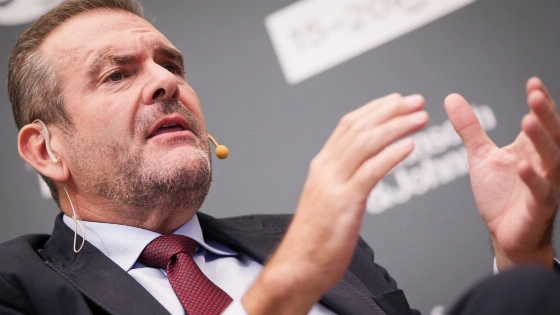
Enrique Ayuso, president of Hefame, sounded the alarm. Spain’s pharmacy system is under real strain. Foreign vertical groups are moving in. New rules are squeezing the old way of doing things. The future of pharmacist-owned, community-based pharmacies is now uncertain.
Spain does things differently from much of Europe. Pharmacies here are not just shops. In many rural towns, they are the only place people can get medicine or health advice. The pharmacist owns the business and makes every call, from what to stock to which tech to use. Ayuso says this setup keeps medicines safe and traceable. Sector reports cited by Europa Press back him up. The cooperative model has held strong, even in tough times. Hefame pulled in over €1.9 billion in revenue in 2025. Its market share jumped 22% in nine years. That’s no small feat.
The Federation of Pharmaceutical Employers (FEFE) officially advocates for a network of privately owned, professionally managed pharmacies with pharmacist ownership and broad territorial coverage, and calls for community pharmacies to be included in Spain's future national health strategy.
But things are changing fast. At the VII Simposio del Observatorio de la Sanidad de EL ESPAÑOL-Invertia, Ayuso called out foreign chains. He said they judge pharmacies by turnover. Profit comes first for them. Public service comes second. Right now, these groups have only a small slice of the market. But Ayuso warned that if they grow, Spain could end up with a split system. Some pharmacies would chase profit. Others would stick to the old ways. The solidarity that holds the system together could break. Still, official sector analyses say there’s no proof yet that foreign groups control much of the market. The “takeover” talk is a warning, not a fact.
Ayuso worries about more than just foreign money. He fears new pharmacists might forget the cooperative spirit that built Spain’s distribution network. “They need to understand that the Spanish distribution network belongs to them,” he said. He wants unity, even among rivals. The sector faces other problems too. Profit margins are tight. Medicine shortages are real. Geopolitical shocks, like fuel price spikes after the Ormuz closure, make things worse. Europa Press reports that Spanish distributors are merging to survive. Hefame’s merger with Cofarcu is one example. The goal: stay strong and invest in new tech.
Technology is a double-edged sword. Artificial intelligence is already in use, mostly for prevention work. But Ayuso sees a risk. Only the biggest players may have the cash to use these tools fully. That could leave smaller pharmacies behind.
Hefame has strengthened its logistics infrastructure by opening a new logistics center in Girona, reinforcing its presence in Catalonia. This move highlights how competition and the resilience of pharmacy supply in Spain depend on a robust regional warehouse network.
Ayuso still believes in the cooperative model. Most distributors are owned by pharmacists. That gives them staying power. “Being larger companies helps us make better investments and have more partners,” he said. But he wants the government to see the difference. These cooperatives are not global giants. They should not face the same rules. The Federation of Pharmaceutical Employers (FEFE) has made this a political issue for the next legislative period. They say it’s about national health, not just business, according to official statements.
Spain’s laws still protect the pharmacist as owner and decision-maker. But Ayuso says the sector can’t get comfortable. “The debate we need is about what model we want in Spain: an assistive, social, and solidarity-based system that guarantees access to medicines? Then we must defend it.”
These fights are not just about pharmacies. They reflect bigger changes in Spain. Old models are under pressure from global money and new tech. The pharmacy sector’s struggle is part of a wider story. Other industries face the same test. Recent coverage of local institutions adapting to international influences shows this pattern.
Spain’s pharmacy model is more than a business. It keeps public health and rural life together. If foreign chains and new rules chip away at the pharmacist’s independence, Spain could lose a system that has long meant universal access and social stability. The government and the sector have a choice. Protect the model, or let it fade. The outcome will shape healthcare for years to come.