The average car in Spain is now nearly fifteen years old, exposing the country’s growing economic challenges. As new cars slip out of reach for most, Spanish roads fill with aging models and low-cost imports, revealing the gap between image and reality.
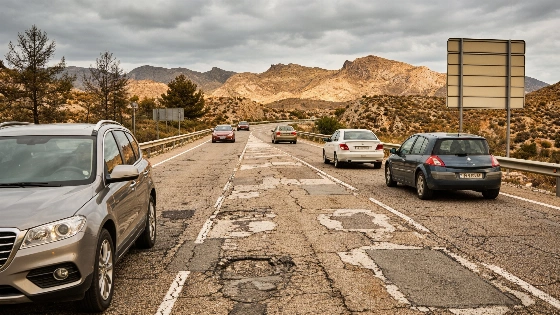
The average car on Spanish roads is now 14.7 years old—a number that would have seemed unlikely for a major European country not long ago. This steady aging of the national fleet, confirmed by recent DGT and industry data, is no longer a blip but a persistent trend.
For many Spaniards, buying a new car is no longer realistic. Instead, the market is crowded with basic, low-cost models, often imported from Asia. Well-known brands like Toyota are now out of reach for a growing share of buyers. Most people hold on to old SEATs and Renaults, while those who do buy new often end up with stripped-down SUVs or compact cars originally designed for markets in India or Africa. Official figures show that 78% of cars in Spain are now over nine years old, so this is not a problem at the margins—it affects nearly everyone.
By mid-2026, Spain had achieved only 17.5% of its national target for 5.5 million electric vehicles by 2030, underscoring the slow pace of fleet renewal.
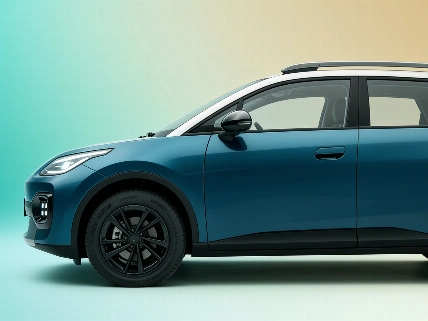
This isn’t just about personal preference. It’s a direct response to economic pressure. With incomes flat and living costs rising, Spain has become a destination for cars built for survival, not comfort. The new Nissan Kicks, a modest urban SUV, would have struggled to find buyers in a more prosperous era. Now, it’s marketed as a practical solution for families trying to replace cars that should have been retired years ago. Industry groups like ANFAC and Faconauto point out that the aging fleet isn’t just a sign of shrinking budgets—it also means more accidents and higher emissions, since older cars are less safe and more polluting.
Spain’s roads themselves reflect the same story. Highways and secondary roads show clear signs of neglect, with maintenance falling behind even some developing countries. Morocco, for example, now has better-kept highways despite having fewer miles of road. The idea of a smooth shift to electric vehicles is mostly wishful thinking. For most people, a new electric car is simply too expensive, and the promise of a green transition feels distant. Still, recent industry reports note that some new electric cars—mainly from Chinese brands—can now be bought for under 15,000 euros, thanks to government incentives and special deals. But these prices are only available in specific cases, so the broader market remains out of reach for most.
The Spanish government strengthened support for electric vehicle buyers in 2026 with the launch of Plan Auto+, offering up to 4,500 euros in incentives for private purchasers. Despite this, experts note that the pace of fleet modernization remains slow, and the market is increasingly polarized between affordable imports and traditional brands.
Similar patterns can be seen elsewhere. In Ecuador, for example, rental cars are mostly small, simple models—Korean, Japanese, or Chinese—with basic features and gasoline engines. They’re chosen for reliability and easy repairs, not for technology. The average car there is 16 years old, just a bit older than in Spain, and the roads are filled with a mix of battered old cars and flashy but cheap newcomers. Electric and hybrid vehicles are rare, limited to a small elite.
Spain now has a clear divide on the road. A small group, often taking on heavy loans, manages to buy the latest electric models. Most people, though, make do with whatever is affordable, often settling for imports that would once have been dismissed as subpar. This split isn’t just about money—it’s visible in every city and on every highway. Analysts say the flood of low-priced Chinese cars has made the divide sharper, but hasn’t yet led to a real renewal of the national fleet.
Even politicians aren’t immune to the symbolism of the car. The size of official motorcades, like those that follow Pedro Sánchez through small towns, has drawn attention to the gap between state privilege and the daily reality of most Spaniards, as reported earlier.
According to Google/SpainAuto, the state of Spain’s car fleet is a direct reflection of a society under strain, trying to keep up appearances while the basics slip. The country’s roads now show the effects of stagnant wages, rising costs, and a green transition that remains out of reach for most.
This isn’t just about pride or looks. The growing age of Spain’s cars and the decline of its infrastructure are warning signs that the gap between what people want and what they can afford is getting wider. Unless economic conditions improve and more households can realistically buy modern vehicles, Spain’s move toward a cleaner, more modern transport system will remain stuck at the starting line.