Used cars are outselling new vehicles two to one in Spain. The top sellers are almost 17 years old, and diesel is still the favorite, raising new worries about safety and emissions.
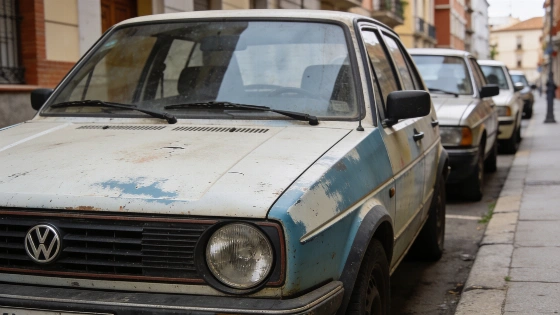
Spain’s used car market in 2026 comes down to one number: 16.9 years. That’s the average age of the Volkswagen Golf, the country’s top-selling second-hand car this year. It sums up a market where old diesel cars still rule, and new car sales can’t keep up.
From January to July, 1,414,355 used cars changed hands in Spain. Only 749,656 new cars were registered. For every new car sold, almost two used cars—most of them well past their best years—go back on the road. This keeps the national fleet getting older and less efficient. Recent independent reports put the average age of all vehicles in Spain at nearly 15 years. About 78% of cars are older than nine years. The country’s car fleet is aging fast.
The average used car sold in Spain in 2026 has a mileage of 169,128 km, according to several recent publications.
The numbers show just how old the most popular models are. The Volkswagen Golf leads with 44,425 units sold and an average age of 16.89 years. The Seat Ibiza is next with 38,490 sales and an average age of 15.52 years. The Renault Megane is third at 37,827 units and 16.63 years. The rest of the top five—Seat León and Ford Focus—are not much younger. Only the León drops below 15 years. The Opel Corsa, ranked eighth, is the youngest in the top ten, but it still averages 12.4 years. Sector analysts and outlets like motor.elpais.com report that the average age of all used cars sold in 2026 is closer to 12 years. That’s younger than the overall fleet, but the market is still full of older cars.
Madrid is different. There, the average age of used cars sold is just 9.87 years. In Castilla y León, Asturias, and La Rioja, used cars sold are over 15 years old on average. This shows how uneven the pace of renewal is across Spain. Data from noticias.coches.com confirms that cities tend to have younger used cars, while rural areas lag behind.
Diesel is still the top pick for used car buyers in Spain. So far this year, 669,186 used diesel cars have been sold, just ahead of gasoline cars at 516,175. Electrified cars are starting to appear, but their numbers are still small. Hybrids account for 65,880 sales, gasoline MHEVs for 68,768, and plug-in hybrid gasoline models for 35,241. Fully electric and diesel MHEV models are still rare, with 22,138 and 22,723 units sold. Recent market summaries show diesel made up about 47% of used car sales in August 2026. Gasoline cars were 36.3%, and all electrified versions together reached only 16.6%.
Despite a gradual increase in the share of younger used cars, only one in four vehicles sold in August 2026 was between one and five years old, indicating that the bulk of the market is still made up of much older models.
This strong preference for older diesel cars is not just about price or habit. It has real effects on road safety and the environment. These cars lack modern safety features and produce more emissions than newer models. The trend makes it harder to modernize Spain’s car fleet. This challenge has come up in recent debates about affordable hybrids, like the digital SEAT 127 concept. CARFAX reports that 56% of used cars sold in the first half of 2026 had at least one risk factor in their history. Also, 43% of Spaniards have walked away from a purchase after checking a car’s background. This shows how important transparency and careful checks are in the second-hand market.
Electrified and hybrid models are slowly gaining ground, but the numbers are still small. Spain’s second-hand market is stuck in the past. The data is clear: buying used cars is not making the fleet cleaner or safer. Unless buyers change their habits or there are better incentives for newer, greener cars, Spain’s roads will keep filling up with old diesel models. Policymakers and industry leaders will have to face this if they want to speed up the renewal of the national car fleet.