Felipe VI is due in Ceuta and Melilla on October 13 and 14, 2026. Javier Caraballo says Madrid must pair the visit with credible diplomacy as tensions with Morocco persist.
Rabat recalled its ambassador in 2007 after Juan Carlos I and Sofía visited Ceuta and Melilla. The diplomatic crisis lasted more than two months and included a break in bilateral relations. Morocco called the trip “regrettable” and again described the cities as “occupied cities.” Javier Caraballo argues that personal ties between the royal families did nothing to shift Morocco’s territorial claims.
Felipe VI is scheduled to spend the night of October 13 in Ceuta, the first overnight stay there by a Spanish monarch during the democratic period. He and Queen Letizia are due to travel to Melilla the following day.
Felipe VI is scheduled to spend the night of October 13 in Ceuta—the first overnight stay there by a Spanish monarch during the democratic period. The royal couple is due to travel to Melilla the following day.
This will be Felipe VI’s first visit to the two Spanish enclaves since he became king. The last royal visit to both cities was Juan Carlos I and Sofía’s trip in 2007. The Government and the royal household agreed on the itinerary.
Pedro Sánchez raised the trip in an interview at the start of the political year, contrasting his own record of visits to Ceuta with the King’s absence from both cities. The prime minister will not accompany the monarch. EFE reported that officials planned the trip before the mass arrival of migrants in Ceuta.
The announcement came after a summer of friction between the Government and the Crown. Caraballo links the dispute to the July 31 border incident, which Sánchez described as an attack on Spain. Government allies then accused Felipe VI of institutional overreach after he called the incident an unacceptable border violation. Spanish media have described the planned visit as following an unprecedented migration crisis for Ceuta.
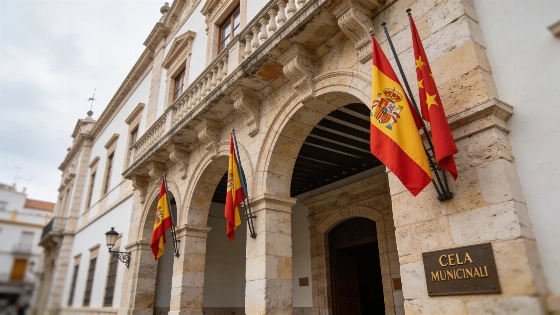
Spain’s head of state has rarely visited Ceuta or Melilla. Before Juan Carlos I and Sofía, Alfonso XIII was the last monarch to visit both cities. He travelled there in 1927 to open Ceuta’s municipal palace, now home to the presidency and assembly of the autonomous city. Francisco Franco, Caraballo notes, never set foot in either city as head of state.
The programme includes meetings with local authorities and civil-society representatives, speeches by the King and visits to schools. In Ceuta, the royal couple is also scheduled to attend a memorial ceremony for people who died during the mass border crossing at the end of July.
For Caraballo, the absence is more than a matter of protocol. The visit is meant to show support for Ceuta’s residents and make the head of state’s presence there a more normal part of public life.
He argues that Spain must not let good-neighbourly relations turn into a gradual retreat from its institutions in the two cities. Spain and Europe, he says, should maintain a visible, sustained presence on their African frontier. Caraballo also cites former diplomat Jorge Dezcallar’s view that Spain should not leave border control to a country whose territorial claims include Ceuta and Melilla.
Caraballo calls the Government’s approach to Rabat excessively accommodating. He points to two border incursions, in 2021 and on July 31, as evidence of the pressure facing Ceuta. Morocco also continues to keep the customs offices in Ceuta and Melilla closed, despite the Spanish Government’s earlier announcement that they would reopen.
Those are Caraballo’s assessments, not proof that the royal visit will set off a new crisis. At the time of reporting, no new official reaction from Rabat had been independently reported, so it remained unclear whether Morocco would take diplomatic measures. Caraballo says the outcome will depend partly on diplomacy before the trip, details he argues have not been made clear. He fears Morocco could respond with reprisals or renewed pressure, while Spain’s Government leaves the Crown exposed to blame.
Caraballo argues that a head of state should be able to visit cities within his own country, while warning that the trip cannot replace consistent policy. He says Spain must combine neighbourly relations with firmness and keep Ceuta and Melilla visibly within the state’s institutional life. Spain’s general election is scheduled for November 29, with migration still a central political issue.