Spanish drivers in 2026 want more than just promises from electric SUVs. Real-world reliability and practical tech now set the best models apart. Here’s how the top-rated contenders actually perform.
Spain’s electric SUV market is packed with bold claims about tech and battery range. But in 2026, only a few models have shown they can handle daily life. Spanish buyers have moved past flashy ads. Now, they want cars that last and tech that just works.
This year, two things matter most: proven reliability and onboard tech that’s actually useful. Drivers are tired of glitches, battery surprises, and endless trips to the shop. The best models are the ones that keep you on the road and make driving easy.
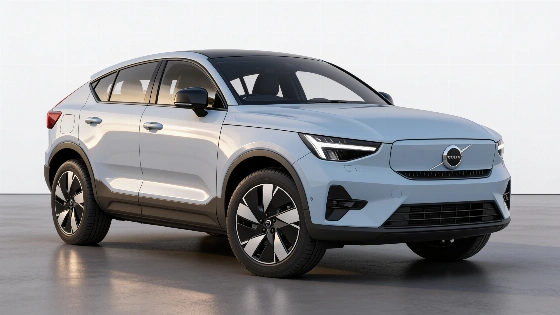
According to official Volvo specifications, the EC40 offers up to 650 km of electric range and 300 kW of power in its top configuration, with real-world WLTP figures varying by market and version.
Reliability Over Hype
The Volvo EC40 sets the standard for reliability among premium crossovers. Its tried-and-true platform means fewer electronic headaches and steady performance. The base EC40 has a rear motor with 175 kW (238 CV) and a 69 kWh battery, good for 487 km WLTP. Want more range? The Extended Range version goes up to 582 km WLTP with an 82 kWh battery. The Twin AWD packs 408 CV and 552 km, but what really stands out is the Google-based infotainment. It gets regular OTA updates, so the system stays fresh without hassle. Independent European catalogs list the EC40 Twin Motor at 554 km WLTP and 300 kW, while the Single Motor Extended Range is rated between 540–583 km WLTP. Always check local specs for the exact numbers.
Volvo’s ES90 is aimed at buyers who want space and the latest tech. It offers 245 kW (333 CV), a 92 kWh battery, and 650 km WLTP—one of the longest ranges under €75,000. The new electrical setup allows fast charging and uses software from the EX90. For those who won’t settle on range or digital features, it’s a strong pick. Some technical reviews and country specs even mention ES90 versions with up to 711 km WLTP, putting it among the top for range in its class.
Tech That Works
BMW’s iX3, built on the Neue Klasse platform, promises over 600 km WLTP and brings 800-volt charging. BMW’s name means reliability in the premium EV world, but early buyers know first batches can have issues. The new iDrive system is powerful, but there’s a learning curve. Official BMW info confirms the Neue Klasse platform brings 800 V charging and next-gen EV tech, with the iX3 as a showcase.
In 2026, Volvo updated the EC40 and related models with a new 11.2-inch infotainment screen and integrated Google Gemini AI, reflecting a broader industry trend where software stability and multimedia reliability are now key factors in consumer trust.
Mercedes-Benz EQE SUV is for those who put comfort first. The MBUX system with optional Hyperscreen is impressive at first, but some drivers get lost in its menus. With a WLTP range between 550 and 590 km and a starting price near €90,000, it’s a luxury choice for a select few.
Value and Everyday Usability
Kia’s EV6 keeps winning over Spanish drivers with solid reliability and 800 V charging, letting you go from 10 to 80% in under 20 minutes at the right station. The balanced version offers 528 km WLTP, and with a starting price under €50,000, it’s a real alternative to pricier rivals. The seven-year warranty is still a big plus.
Hyundai’s Ioniq 5, sharing its platform with the EV6, is more family-focused. It’s proven reliable and has one of the most unique interiors around. With up to 507 km WLTP and prices from about €45,000, it’s a smart pick for those who want something different and practical.
Tesla’s Model Y leads Spanish electric registrations for two reasons: the unmatched Supercharger network and OTA updates that actually add new features every year. Mechanical reliability is strong, but interior quality and the quirks of autopilot still draw criticism. The Long Range version tops 600 km WLTP, so it stays competitive both on paper and in real life.
How the Numbers Stack Up
Put the top models side by side and patterns emerge. The Volvo EC40 Extended Range and Kia EV6 both score 8.5 overall. The EC40 wins on tech, the EV6 on value. Volvo’s ES90 leads with an 8.8, thanks to its range and advanced features. Tesla’s Model Y is close at 8.7, boosted by its charging network and software. BMW’s iX3 and Hyundai’s Ioniq 5 also post strong numbers. Mercedes-Benz EQE SUV, despite its comfort and tech, falls behind on value with a 7.8.
If reliability and a strong European service network matter most, the EC40 is the clear pick. If you want maximum range and the latest digital features, look at the ES90 or iX3. For buyers focused on price, charging speed, or warranty, the Kia EV6 and Tesla Model Y are hard to beat.
All listed prices are manufacturer recommendations. They don’t include dealer discounts, temporary offers, or government incentives like Plan Auto+. The final price is usually lower, but these rankings use official figures for a fair comparison.
As the electric SUV market matures, the gap between marketing and real-world results is shrinking—but it’s not gone. Spanish buyers now have more data and higher expectations, pushing brands to deliver real value. For a look at how luxury brands are adapting, check out our recent coverage of Range Rover’s electric debut.
In 2026, Spain’s electric SUV scene is defined by models that back up their claims with real results. The winners combine reliability, practical tech, and honest value—qualities buyers now demand, not just hope for.